

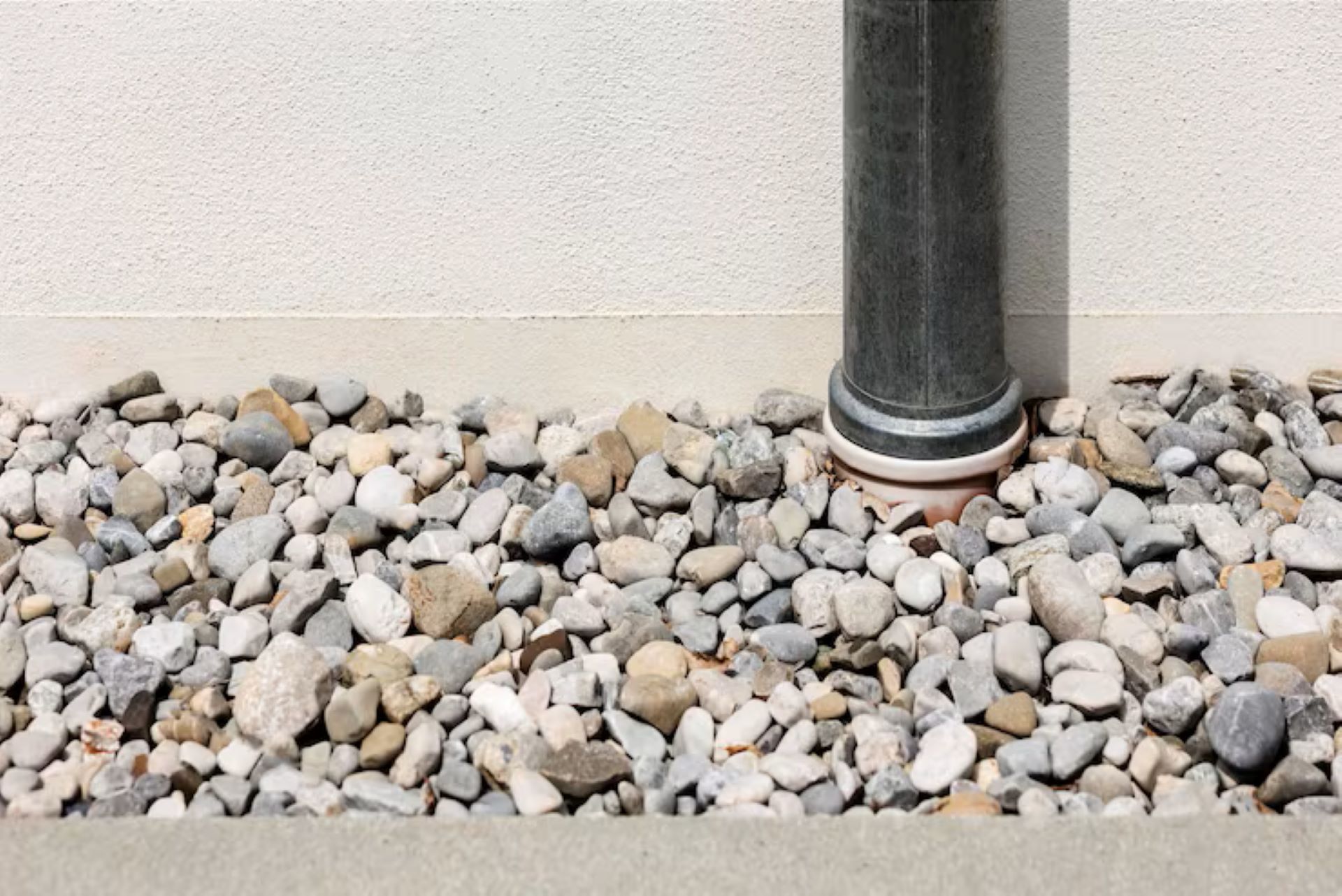
Winter doesn’t always come with big warnings. In many cases, it’s what happens slowly over time that causes headaches later. That’s often true with French drains. In a city like St. Louis, winter weather can quietly shift how these systems work, even when they seem fine on the surface. As french drain contractors, we’ve seen how things change underground, especially when the freeze-thaw pattern gets active.
Understanding how temperature changes and winter moisture affect a drain’s performance is a big step toward protecting your property once spring sets in. It’s not just about snowmelt either, but how compacted soil, shifting ground, and blocked flow paths can surprise you once everything starts to thaw. That’s why now, just as winter fades, is a smart time to pay attention and shape a plan if something doesn’t seem right.
How Cold Weather Impacts Drain Function
French drains are designed to quietly move water away, but when the ground turns hard and frozen, things don’t always go as planned. Even if no snow covers the lawn, frigid days still take a toll.
- When soil freezes, it can press against drainpipes with more force than expected. That pressure can slow water flow or even block key sections.
- Ice and snowmelt don’t always arrive in an even pattern. A warm day might cause runoff, but if the soil is still cold and firm, water can’t go anywhere. That leads to fast saturation and slow movement.
- Freeze-thaw cycles make ground expansion and contraction a regular event from December through early March. Over time, that movement can shift pipe positions or loosen key fittings. What once drained smoothly may now struggle.
We usually don’t see these shifts right away. It’s when spring rain rolls in that disruptions become clear. That’s why it helps to know how cold conditions tie back to water behavior beneath the lawn.
Warning Signs to Watch After Winter
Once the weather turns and things begin to warm, the signs don’t wait long to appear. Sometimes they’re obvious, other times more subtle. Paying attention early can make a big difference in avoiding damage as spring storms arrive.
- If water starts pooling in areas that usually stay dry, winter may have changed something underground.
- Soggy grass that never seems to dry out, or slow-moving water around your downspouts, can point to a drainage system that’s struggling to keep up.
- Damp basement walls or a musty smell inside, especially near low points, can connect back to outside drains that aren’t moving water fast enough.
These may look like regular spring problems, but they often began months earlier during those cold snaps and snowy weekends. That’s why now is the time to start paying closer attention.
Local Weather Patterns and Common Issues in St. Louis
Winter in St. Louis brings a bit of everything. A long stretch of ice, then a surprise thaw, followed by snow that sticks around longer than expected. This pattern repeats across most seasons here. And it’s during those swings in temperature when trouble quietly builds.
- The soil around St. Louis is often rich in clay. It holds moisture but freezes hard, which increases pressure on underground systems.
- Older drains that worked well for years may now show signs of slowdown, not because the drain failed, but because the ground changed around it.
- As french drain contractors working across this area, we’ve learned how to read those small shifts that winter leaves behind. No two yards handle winter the same way, and that matters when getting ahead of seasonal flooding.
From years of installing and repairing French drains, Drainage Team knows how to evaluate local conditions, soil makeup, and weather-related risks when checking for drain issues. Our service process includes using specialized diagnostic tools and surface inspections to pinpoint trouble before spring damage occurs.
Making sense of winter-driven changes starts with knowing how local weather affects the ground and how that, in turn, affects water flow.
When Inspection Becomes More Than Just a Checkup
Early spring usually feels like a fresh start for outdoor systems. Grass begins to grow, the air feels warmer, and lawns start coming back to life. But that’s also when any issues left by winter become easier to uncover. A spring inspection isn’t just checking a box, it can become the moment when meaningful fixes begin.
- Checking the French drain layout during spring reveals whether ground movement cracked pipes or pulled anything out of alignment.
- What looks like a small delay in draining now could turn into water backing up once larger storms return.
- Yard patterns are easier to read in early spring, before plants get thick and cover up key signs. That makes this one of the better times of year to take action.
Even simple fixes are easier when caught early. That’s why we look at spring inspection as a way to stay ahead before the season gets too wet.
The Long-Term Value of Seasonal Maintenance
Keeping a drain system working well isn’t just about avoiding one puddle here or there. When done right, seasonal checks help protect bigger parts of the home and land that might otherwise go overlooked.
- When water overspills from overwhelmed drains, it can move toward foundations, flower beds, walkways, or driveways where long-term damage starts building.
- A clear, properly flowing drain can handle sudden downpours better, keeping water from entering basements or backyards.
- Small cracks or shifted sections rarely fix themselves. Looking for them early prevents wear that can spread over time and cost more to fix later.
Drainage Team offers ongoing French drain maintenance and repair in St. Louis, Missouri, so homeowners can get maximum longevity out of their systems year after year. We only use quality pipe and filter fabric to help prevent clogging and protect against shifting ground.
Maintenance doesn’t always mean a big repair. Often, it’s about making sure nothing worsened over winter before spring brings the next round of storms.
Why Spring Is the Best Time to Check In
By mid-March in St. Louis, most of the ground has begun to thaw. Once that happens, inspections become easier, more productive, and more revealing. That’s one reason why spring tends to be the best time for checking drainage health.
- Cooler but thawed ground reveals issues better than frozen or dry summer soil, making it easier to spot misalignments or clogs.
- Warm days and steady rain provide the flow required to test whether the system is draining as expected.
- Catching winter impacts now means heading into strong spring and summer storms with less worry and more control.
When small problems are spotted early, they stay small. That’s what makes a spring check not just helpful but worthwhile.
Taking a careful look now sets the tone for how the rest of the year goes. With so much of what winter does staying hidden until it’s too late, acting in early spring can keep those quiet changes from becoming loud problems once the storms pick up.
At Drainage Team, we understand that unpredictable winters in St. Louis, Missouri, can leave your French drains working harder than expected by spring. If you’re noticing standing water or slow drainage on your property, it might be time to investigate hidden issues before they become bigger problems. With local weather patterns constantly changing, having reliable support is important to protecting everything above and below ground. For help from trusted french drain contractors, contact us today.