

Spring can be rough on yards and buildings. Rain comes fast, soaking the ground before it knows how to soak anything in. Runoff starts pouring across driveways, lawns, and sidewalks. That is when it overflows and floods basements, garages, or low-lying spots. For homes and businesses in St. Louis, MO, those early spring downpours are more than frustrating, they are a warning.
That is where stormwater contractors come in. We know the small red flags that show up before water causes a bigger mess. Spring prep is not about guessing where the water will go. It is about reading the signs winter left behind and putting the right pieces in place before the next storm hits. With all the freeze-thaw shifts, soggy ground, and early showers, getting help early just makes sense.
Why Spring Flooding Starts So Fast
The start of spring looks different from yard to yard, but one thing shows up almost everywhere: lots of water and nowhere for it to go. Even before leaves show up on the trees, frozen ground and packed soil can back up water like a clogged pipe. Add in warming temps and early thunderstorms, and the runoff can build fast.
- Melting snow does not always soak in. When the ground is still frozen underneath or already saturated from winter, the water just slides off.
- Clay-heavy soil, common across many parts of Missouri, does not drain well in spring. It holds water until it cannot, then sends it downhill quickly.
- Grading that worked during dry months might not handle spring’s extra moisture. Bare patches, slight dips, or blocked runoff paths can change where water pools.
Spring storms do not wait for a good time. They show up with force, and the ground is not always ready for it. That is why flooding feels like it happens all at once, even if the trouble started weeks earlier.
What a Stormwater Contractor Sees That Most Don’t
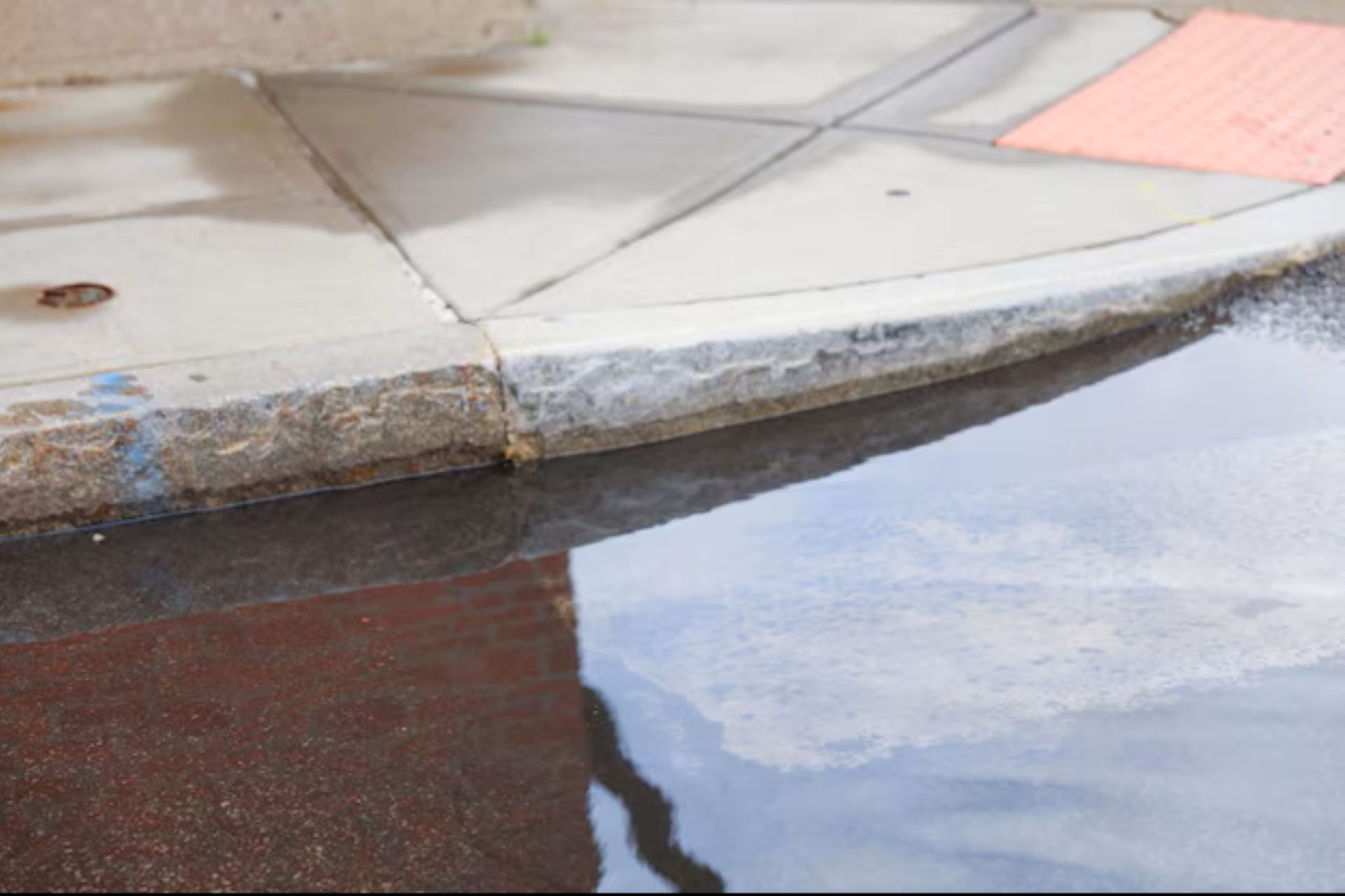
During early spring, yards can play tricks on the eyes. That puddle sitting near the fence might not look serious. A dip near the sidewalk could seem harmless. But under it all, water is changing the shape of the ground. As stormwater contractors, we are trained to spot the clues most people miss or brush off.
- We pay attention to soil that looks too loose or too packed. Both can be signs water is moving where it should not.
- We check culverts and basins that may have been blocked by branches, frozen over, or shifted during winter storms.
- Small shifts in grade, barely visible at a glance, can send water in the wrong direction. We look at how it moves across a property, not just where it ends up.
Experience matters here. We have walked properties where the issue was not what people thought. Catching the deeper problem keeps those smaller signs from turning into storm-driven chaos later.
Smart Fixes That Keep Water Moving
The key to controlling stormwater is not always about big machines or giant drains. Sometimes, it starts with repositioning how water moves in the first place. We work with solutions that do not just move the problem, they steer the water with care.
- Diversions like swales or berms adjust the path so water will not settle in the wrong space
- Subsurface solutions carry stormwater underground where it can clear out cleanly
- Checking and adjusting inlet and outlet points helps create a balance before spring rain pushes them past their limit
None of this is about patching something and hoping it holds. Spring prep works best when the goal is year-round improvement, not just a patch for the season. When spring storms test a yard, it helps to have something built to last.
How Timing Impacts Results
Late winter allows a small window where the ground has started to thaw but has not been overrun with spring moisture yet. That is when we can do some of our best work. If you wait too long, the weather moves faster than the plans ever can.
- February and early March give us a head start by letting us work before the wet season floods everyone’s schedule
- Once the big spring storms start, it takes longer to fix things and more effort to correct damage
- Thinking ahead reduces the stress of emergency calls or repeat flooding problems
Getting started before the season kicks into gear is not about rushing. It is about working smarter and getting ahead before the weather does.
Expert Stormwater Systems for Every Property
At Drainage Team, we design and maintain stormwater management systems such as stormwater basins, grading improvements, and underground piping solutions for residential, commercial, and governmental properties. Our team’s expertise includes installation, repair, and annual maintenance which helps protect against spring flooding and keeps water away from foundations, parking lots, and basements.
Each stormwater system we provide takes into account soil type, site use, and local rainfall patterns. In St. Louis, Missouri, planning for spring means anticipating heavy runoff and addressing unique drainage needs with durable, proven strategies.
Ready for Rain, Not Regret
Spring weather does not wait around for an invitation, so it helps when your property does not need one. Knowing where the water gathers, what can block it, and how it escapes gives us the chance to act early. This is not about big, flashy projects every time, but about making small, smart moves before storms do the talking.
When winter thaws and spring rolls in, the right stormwater strategy can keep everything working the way it should. Early planning, expert insight, and proven fixes mean one less thing to worry about when clouds roll over St. Louis, MO. And around here, they will roll in before long.
Spring brings enough surprises without flooding becoming one of them. Noticing standing water, soggy spots that stick around, or drainage that just does not seem right could mean it is time to address the issue. As experienced stormwater contractors in St. Louis, MO, we know how quickly minor concerns can turn into major headaches. Do not wait for the next downpour. Reach out to Drainage Team and let us start the conversation today.