

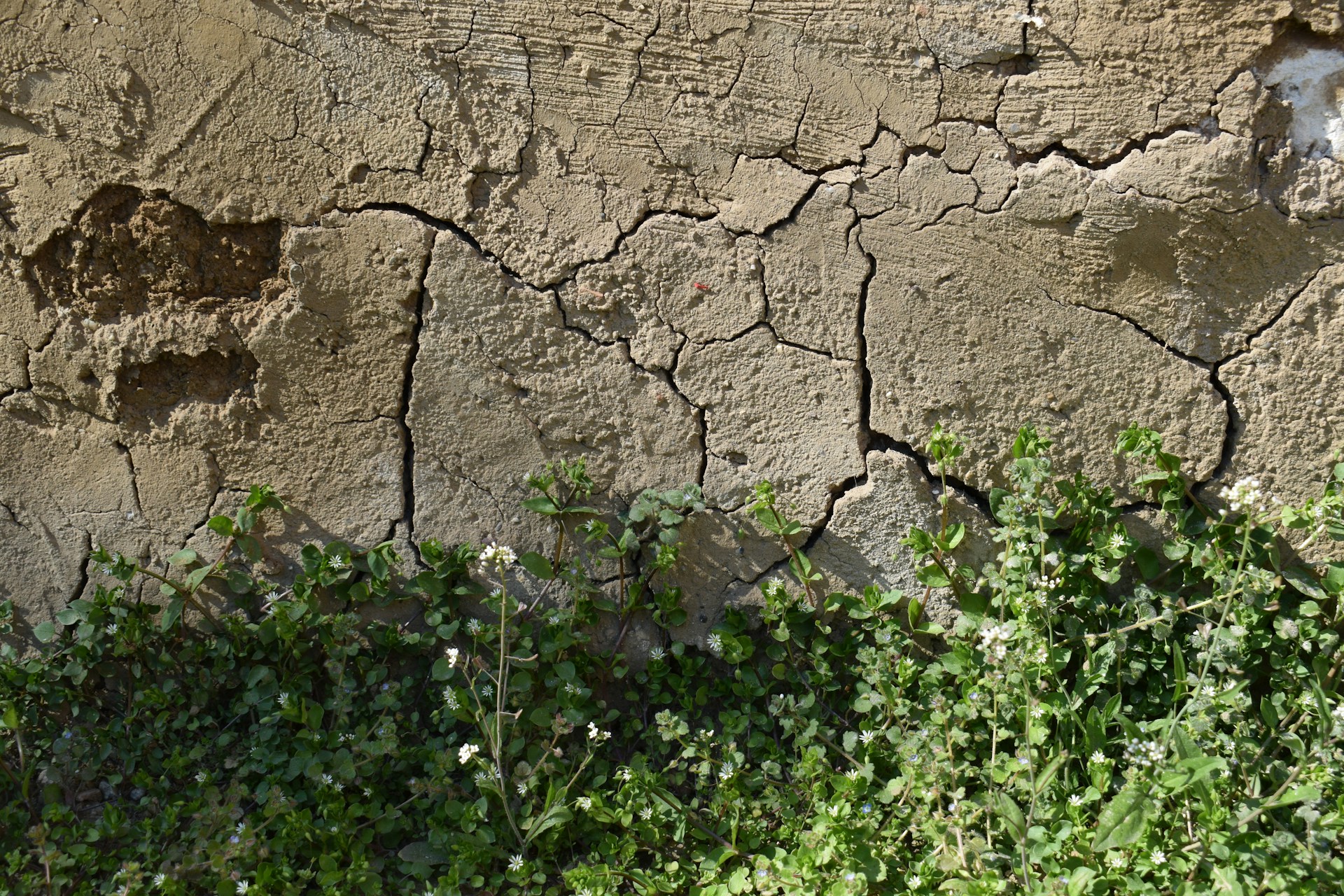

When winter hits St. Louis, it’s easy to focus on the snow, ice, and freezing temps. But underneath all that cold, the soil around your home is going through some real changes. By the time January ends and things begin to thaw, your yard might already be showing signs of trouble. That’s especially true if your soil doesn’t drain well or your property has slopes and uneven areas.
What many homeowners don’t realize is that erosion during winter can quietly set the stage for bigger problems as the weather shifts. The freeze-thaw cycle lets water seep into the soil, freeze, expand, and then melt again. Over time, this pushes soil out of place or carries it away completely. That movement might seem small at first, but it adds up fast. Knowing how to catch those early signs is a big part of erosion control in St. Louis, MO. When spring rain starts pouring in, you’ll want to be ready.
Cracks, Gullies, and Bare Spots: What to Watch For
Some of the earliest signs of erosion show up in places you wouldn’t expect. It could be a small crack across your garden bed or a bare patch along the edge of your lawn. At first glance, you might just think it’s dry or worn out, but those dry strips of ground often mark where water has cut through layers of soil.
• Surface cracks in the ground, especially near walkways or garden borders, can point to shifting soil underneath
• Exposed tree roots or foundation edges are often a sign that topsoil is washing away slowly
• When small channels form where water drains downhill, they often grow deeper each time it rains
Downspouts and natural slopes in your yard can feed these small trenches over and over again. Left unchecked, they get deeper, carry more water, and make other parts of your yard unstable. It’s not just something you can rake over. These are early signs of a setup that could lead to long-term yard damage.
Sinking Ground and Settling Around Foundations
Once snow starts to melt and the ground thaws, that melted water looks for places to go. If your soil isn’t able to hold its shape or support weight, things begin to sink. We see this a lot in areas close to porches or concrete paths, where the ground settles unevenly.
• Patches of soil that seem lower than they used to be, especially near the edges of buildings, can show early erosion
• If you notice your sidewalk or patio feels slightly off-level, or there’s a change in how water flows across it, that’s worth a closer look
• Foundation walls might shift if the soil supporting them begins to wash out underneath
These are signs that water is carrying soil away from key support zones. The shifts might be small at first (a porch post that leans just a bit or a slab that dips on one side). But those details often signal bigger issues underground. And when settling continues, fixing it takes more time and effort than catching it early.
Water Pooling or Runoff in the Wrong Places
Not all drainage issues show up with sinking or cracking. Sometimes erosion is caused by simple buildup. During winter, heavy snow can pack tightly on top of the ground, and when it melts, the water doesn’t always drain off the way it should. If parts of your yard are staying soggy long after the snow is gone, that’s a red flag.
• Standing water in the middle of your lawn or near flower beds that doesn’t go away after a few days
• Runoff that moves across sidewalks or flows out from downspouts instead of into proper drains
• Visible algae, wet soil, or frozen puddles hanging on in shaded spots for too long
These signs tell us that your yard isn’t draining the way it needs to. Water that sticks around has nowhere good to go, and it ends up eroding the surface it’s sitting on, saturating the ground, and eventually moving soil out from under foundations or fences.
Fence Posts, Trees, and Landscaping on the Move
Another way to spot erosion is to look at the things in your yard that seem off. Changes don’t always show up in the dirt itself. When you take a step back and notice tilting structures or unsteady plants, it’s easy to see how much movement is actually happening below the surface.
• Fences that lean or feel loose usually mean the ground beneath them has shifted
• Trees that start leaning likely lost support from surrounding soil that used to hold their roots in place
• Mulch, stone, or other landscaping materials that get carried away after rain or snowmelt mean water is flowing with force
These aren’t just odd little changes. They’re messages from your yard, showing where it’s struggling to stay in place. When soil moves, everything set inside it moves too. A fence post off by a few inches today could pull further by spring. A tree that looked fine in fall may suddenly need to be removed once its roots are exposed.
Erosion Control Solutions That Really Work
Addressing yard erosion in St. Louis, Missouri, often requires more than a simple cleanup. At Drainage Team, our erosion control solutions range from installing heavy-duty turf reinforcement mats and stabilizing slopes to building retaining walls or installing proper French drains. These measures are specifically designed to keep soil in place and prevent future washouts.
For homes with creek beds or existing runoff issues, we provide custom grading and site work, always matching the solution to your yard’s unique drainage patterns. We work with both residential and commercial properties, addressing everything from single problem areas to full yard drainage systems.
Stay Ahead of Erosion Year-Round
Cold weather creates the perfect setup for erosion, even if you can’t see it happening right away. That’s why it’s smart to get ahead of the problem while the signs are still small. As winter winds down in St. Louis, we start watching for those early markers like pooling water, uneven soil, and cracked surfaces. They all point to shifting underneath that can lead to bigger drainage or structural problems once the spring rains come in hard.
Erosion control in St. Louis, MO, works best when it starts early. By paying attention now, it’s easier to stop water from doing more harm. Whether it’s correcting a grade, changing how water moves off the roof, or just redirecting flow away from the foundation, small steps taken in late winter can do a lot to steady things before the next storm. When the ground gets a little softer and wetter each week, you’ll feel better knowing your yard isn’t being quietly washed away.
Yards in St. Louis can develop runoff and shifting ground over time, especially before spring brings heavier rainfall. At Drainage Team, we carefully assess problematic areas and offer solutions that help prevent lasting damage. When erosion threatens your slope, soil, or foundation, having a proactive plan for erosion control in St Louis MO can protect your property’s value. Reach out to us today and take action before winter’s impact becomes permanent.