

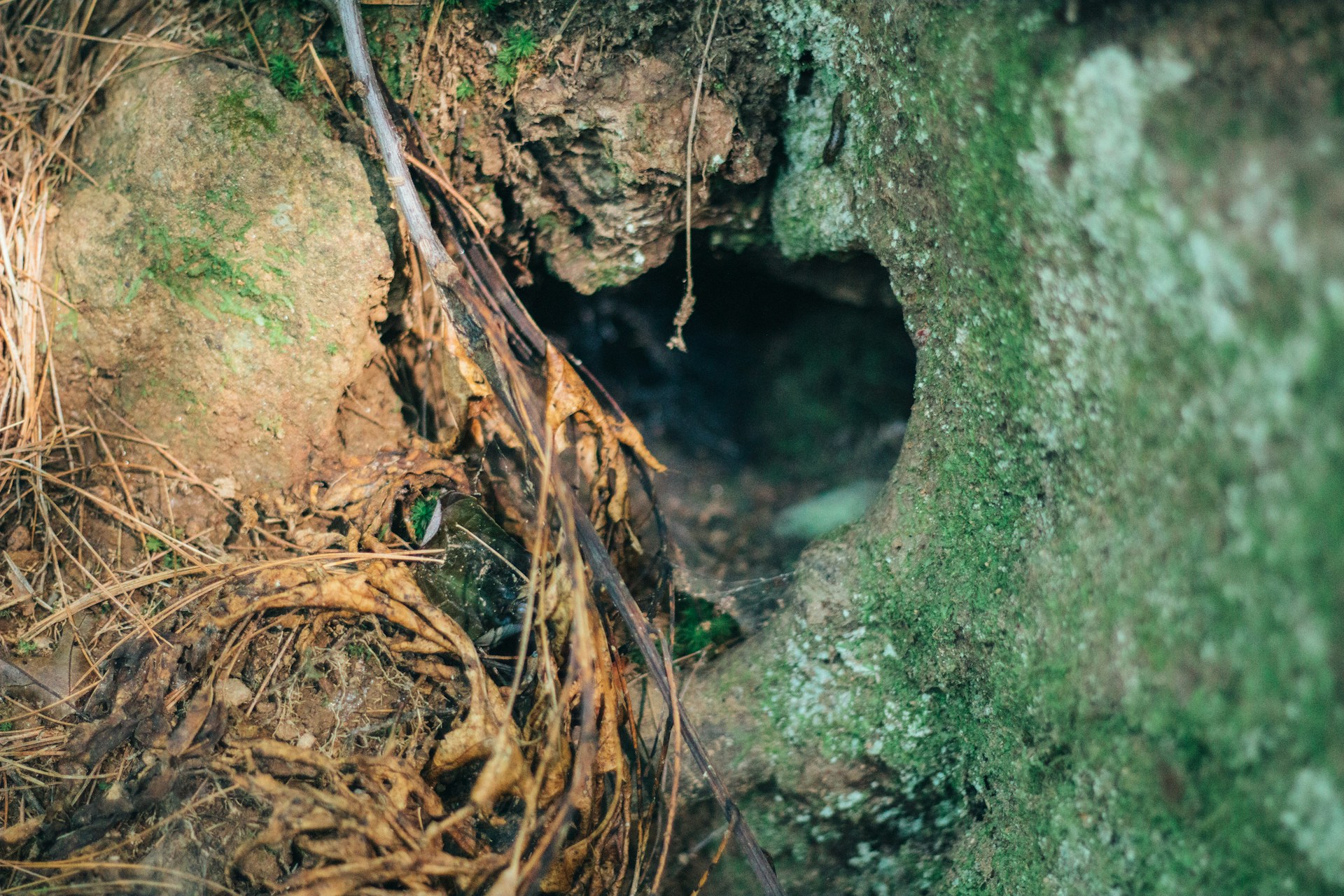

Sinkholes are one of those problems that can sneak up on people. One day, your yard looks fine. The next, you notice soft ground or cracks and you’re left wondering what’s going on. Around St. Louis, MO, it’s common for soil to shift over time, especially in neighborhoods with older homes. Yard drainage plays a big role in how stable the ground stays. During winter or early spring, when the ground freezes and thaws, those changes can speed up. That’s often when we start getting calls. People notice new dips in the lawn or odd puddles forming. Not every situation is serious, but knowing when to watch more closely matters. As experienced sinkhole repair contractors in St. Louis, MO, we’ve seen how small changes can turn into something much bigger if no one takes a look.
What Causes Sinkholes in St. Louis Yards
Most sinkholes don’t just open up out of nowhere. Around here, we often see them tied to the natural makeup of the land and how water moves underground.
• St. Louis sits on layers of limestone and clay. Over time, water can eat away at the limestone, creating pockets or weak spaces.
• When drainage isn’t working right and water doesn’t have a clear path out of the yard, it finds its way underground. That steady flow can wash soil away, leaving nothing to support what’s above.
• Sometimes the issue goes back to construction or landscape changes. A basin that wasn’t filled properly or settling from years of grading changes can quietly shift the ground.
Each of these things may not seem like much on their own. When they build up, they create the conditions sinkholes need to form. It’s usually slow, not sudden. That’s why early signs are so important to spot.
Early Signs You Might Have a Sinkhole Problem
Not all changes in your yard mean you’re dealing with a sinkhole, but there are some clear signs that something’s not right beneath the surface.
• Ground that feels soft or bouncy when you walk across it, especially in spots that stay that way even when dry.
• Cracks forming in patios, sidewalks, or driveways. If those cracks keep growing or changing shape, something may be shifting underneath.
• Posts, fences, or trees that start leaning out of nowhere. That shift can show the ground isn’t holding weight the way it should.
• Puddles in odd places after a light rain, or changes in how water runs off during storms. Poor drainage can lead to trouble below.
These signs don’t always mean a sinkhole is forming, but they often mean the structure of the soil needs a closer look. Waiting to see if it gets worse rarely helps. Soil movement usually continues until something stops it.
When Risk Turns Real: How Winter and Early Spring Make It Worse
This time of year, around January through early March, sinkhole risks can rise fast. A big reason is the freeze-thaw cycle we deal with across Missouri.
• When the ground freezes, water expands in the soil and builds pressure underground.
• When it thaws, any weak spots that were stretched by cold weather collapse inward.
• Moisture from melting snow or sudden rain can speed up underground erosion, washing away support under yards and foundations.
It’s not just the cold that triggers problems, it’s the swings in moisture and temperature that break things down slowly. The start of the year often brings big temperature jumps, especially in St. Louis. Back-to-back freeze and thaw events can be tough on already unstable ground. That’s why we pay extra close attention to new cracks, sunken areas, or drainage changes during this stretch. It’s better to catch those shifts when the ground is still settling instead of waiting until spring storms roll in.
What to Expect from a Professional Sinkhole Inspection
We take a careful, methodical approach to checking out potential sinkhole issues. People often worry that the inspection process will mean tearing up their yard, but it doesn’t work that way.
• We don’t guess. We look for signs of sinking and test the soil for movement or empty areas beneath the surface.
• Non-invasive tools help us figure out what’s going on without having to dig up the yard unnecessarily.
• We know what to look for, patterns in drainage issues, settlement cracks, and signs that water is moving incorrectly.
When someone calls to ask about a suspicious dip or crack, our goal is to confirm whether it’s a true risk or something more minor. Having spent years handling these situations across the area, we understand how local weather and soil combine to shape each problem. Working with trained sinkhole repair contractors in St. Louis, MO comes down to knowing when a surface issue runs deeper than it seems. That kind of insight is hard to get without experience and the right set of tools.
Drainage Solutions and Repairs for St. Louis Sinkholes
Dealing with a sinkhole often means more than filling the surface. At Drainage Team, we offer a suite of repair solutions, including subsurface drainage, sinkhole filling, and grading corrections, specifically designed for lasting results at St. Louis, Missouri, properties. Our experience in waterproofing and stormwater management means we don’t just address the immediate hole, we resolve underlying moisture and erosion issues that cause ground movement.
From custom site evaluations for residential and commercial sites to properly engineered repairs on settling land, we work to restore both ground stability and peace of mind for homeowners in our area.
A Safer Yard Starts with Knowing What’s Beneath It
Sinkholes don’t make a lot of noise when they’re starting to form. They begin quietly, soft soil here, a small dip there. That’s why it helps to know how to spot the clues early on. When we look closely at the ground in winter, we see how water is moving, which slopes are forming, and where the soil may already be pulling away underneath.
Each yard in St. Louis is a little different, but the risks often follow the same patterns. With January moving into February and the freeze-thaw cycle picking up speed, now’s a smart time to pay attention. If something feels off with the ground, that minor change could be the surface sign of a bigger shift. Watching closely and acting early can save trouble down the road.
Noticing soft patches in your yard or unusual rainwater pooling could mean there’s something happening beneath the surface. These early signs often point to a bigger issue that’s simpler to resolve when caught early. As the ground shifts with winter and spring changes, stability around your home can be impacted. Our team at Drainage Team brings years of experience to homeowners needing trusted help from sinkhole repair contractors in St. Louis, MO. When changes in your yard don’t seem right, reach out to us and let our experts take care of the problem for you.