

In St. Louis, MO, heavy spring rains can cause more than just soggy yards and cloudy skies. When rain falls fast and doesn’t let up, the effects can run deeper than you’d expect. That water has to go somewhere, and too often, it ends up heading toward places it shouldn’t, like your foundation, basement, or the low points in your yard. That’s where we come in. As home drainage contractors in St. Louis, MO, we look past the puddles to figure out what they really mean and how to keep your property steady. Spotting water issues early helps us avoid bigger problems later, especially when spring storms are just getting started.
What Heavy Rain Does to Your Yard and Foundation
When the rain keeps coming, the soil gets overwhelmed. Water fills the gaps and saturates the ground until it has nowhere else to go. That’s when it starts pooling, often right where it can do the most damage.
- Water travels wherever gravity takes it, and that usually means downhill toward patios, driveways, or your home’s foundation.
- Once the ground gets soaked, it loses its ability to hold shape. Grass might start floating, areas may feel soft or unstable, and retaining walls can shift from the added pressure.
- If soil was compacted during construction or has poor grading, the water won’t drain properly. It stays in place, wearing down your yard little by little.
Homeowners might not notice the signs right away. But months of rain, especially in spring, can turn into years of foundation problems if the flow of water isn’t handled.
How Drainage Contractors Spot Trouble After a Storm
Every yard tells a story after a storm, and we’ve learned how to read those signs. It usually starts with the water that didn’t drain.
- Puddles that stick around long after the rain are one of the easiest signals something’s wrong.
- Trails of mud near walkways or along the sides of the house show how water is moving, and where it’s getting stuck.
- Sometimes the warning signs are quieter. The lawn might feel unusually soft in one spot or the corner of a foundation wall may smell musty.
After a walk-through, we use tools to look deeper. Sometimes the problem is hidden below the surface. We might use ground sensors or mapping tools to follow how water moves underground. These give us a better picture of what’s working, what’s blocking the flow, and where adjustments are needed.
A big part of our process at Drainage Team is video inspection and flow testing on French drains, surface drains, and buried pipes. We check for roots, sediment, or collapsed lines, issues that are common after both winter freezes and spring storms in St. Louis, Missouri. When we identify a drainage concern, we build a scope of work using proven pipe installation or repair methods, yard grading corrections, and custom surface inlets as needed. These steps keep water moving away from foundations and occupied spaces.
Drainage Solutions That Work After Repeated Rainfall
Once we know where the water is going and where it’s getting trapped, we can start fixing it the right way. Spring is a good time for changes because the ground is soft enough to work with but stable enough to hold new systems.
- Regrading the land moves water away from slopes, basements, and patios by adjusting just a few inches of soil in key spots.
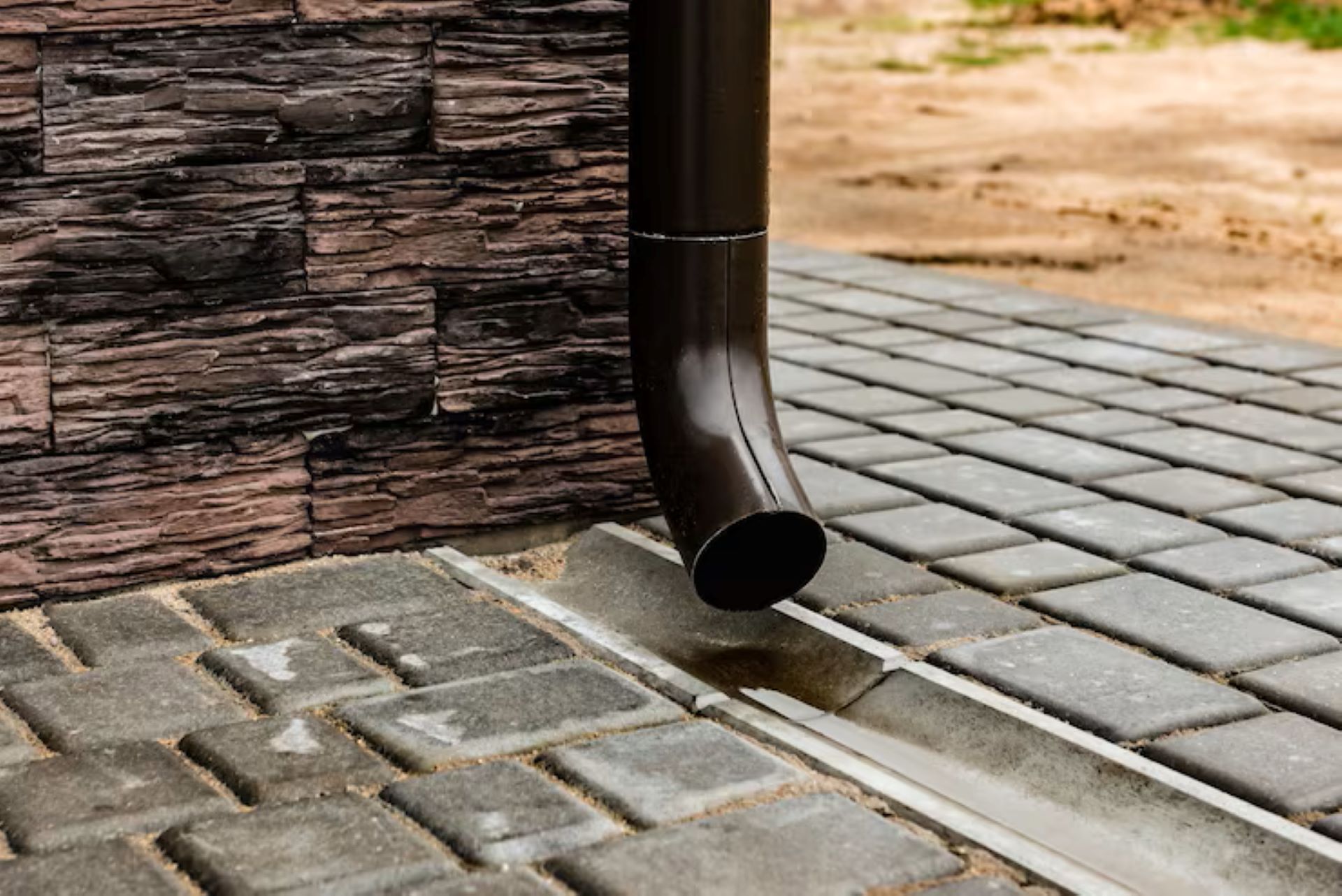
- Downspout extensions move runoff from the roof farther from the foundation so it can soak into the ground safely.
- If stormwater still hangs around, underground drains, catch basins, or French drains can guide water away without changing the surface of the yard.
For yards with frequent soggy spots, we may need to dig deeper, literally. Installing sump systems or more advanced piping underneath the trouble zones can help keep water moving even after back-to-back storms.
Prevention Tips That Start with the Right Contractor
The earlier we look at a drainage issue after a rainstorm, the more options we have to fix it before summer heat bakes the soil dry. Once that happens, changes become tougher and more disruptive.
- Spring is the perfect time to check for signs we should take action. If we catch drainage concerns early, we often don’t have to tear up large parts of the yard later.
- Good plans don’t just treat the symptoms. We look at how rain hits every part of the property and find steady paths for it to follow during both heavy and light weather.
- By guiding water in ways that naturally fit the yard, we avoid creating new problems while solving the old ones.
Quick fixes might dry things up for a week. We’re focused on what keeps spring storms from turning into summer headaches year after year.
Stronger Ground Starts with Smart Next Steps
After a storm, it’s easy to look out and hope that puddles will just disappear. Sometimes they do. But when water keeps returning to the same corners, or the ground never quite feels dry, it’s worth paying attention. Spotting the signs quickly gives us a head start on stopping the problem before it grows.
In places like St. Louis, MO, spring rains are part of the season. When we understand how those rains affect the ground around us, we can make safer, smarter choices for the property as a whole. We can’t stop the storms, but we can stop where the water decides to go next.
When spring rains highlight the same soggy areas around your property, knowing how water flows through your yard helps prevent small problems from becoming bigger ones. We work with homeowners throughout St. Louis, MO, to assess what’s happening below the surface and provide reliable solutions. Choosing expert help now leads to fewer headaches and a stronger property over time. Our team supports those in need of dependable home drainage contractors in St. Louis, MO. Contact Drainage Team today and let us help you prepare your ground for whatever the weather brings next.