
As winter pulls away and the ground starts to warm up, all that melting snow and early rain can catch homeowners off guard. Around this time of year, the soil is still holding a lot of moisture, which makes it harder for new rainfall to soak in. That’s when drainage problems pop up the fastest.
If you’ve ever noticed soggy patches in your yard or water slipping into places it shouldn’t, spring rains might make things worse. That’s where hiring a french drain installer comes in. French drains are often the clearest solution for moving water away from where it doesn’t belong. Getting this kind of drainage work done before the rainy season really kicks in can be the difference between a dry start to spring or weeks of wet damage.
Waiting too long just gives water more time to find the trouble spots. Winter softens the ground, but spring shows where the problems really are.
Why Spring Rains Turn Small Problems Into Big Ones
Spring storms tend to hit fast and hard, especially in places like St. Louis, MO, where early March can bring days of rain in a row. The problem builds quietly. Frozen or overly wet soil means water can’t soak in the way it usually would. Instead, it runs downhill or pools in low spots around homes, foundations, driveways, or flower beds.
Once spring kicks off, the water has fewer places to go, especially if your yard already had minor drainage problems. Those damp corners or puddles that stuck around after a heavy storm last fall? They’ll likely come back worse.
Here’s what we often see before bigger issues start:
- Water puddling around the bottom of gutters or downspouts
- Mud patches that don’t dry out between storms
- Soil pulling away from the house or walkways
A lot of these signs get missed or brushed off as normal early spring behavior. But when spring storms pour more water into the mix, the issues grow fast. Left alone, they can turn into foundation cracks, basement leaks, or unusable yards.
What a French Drain Actually Does
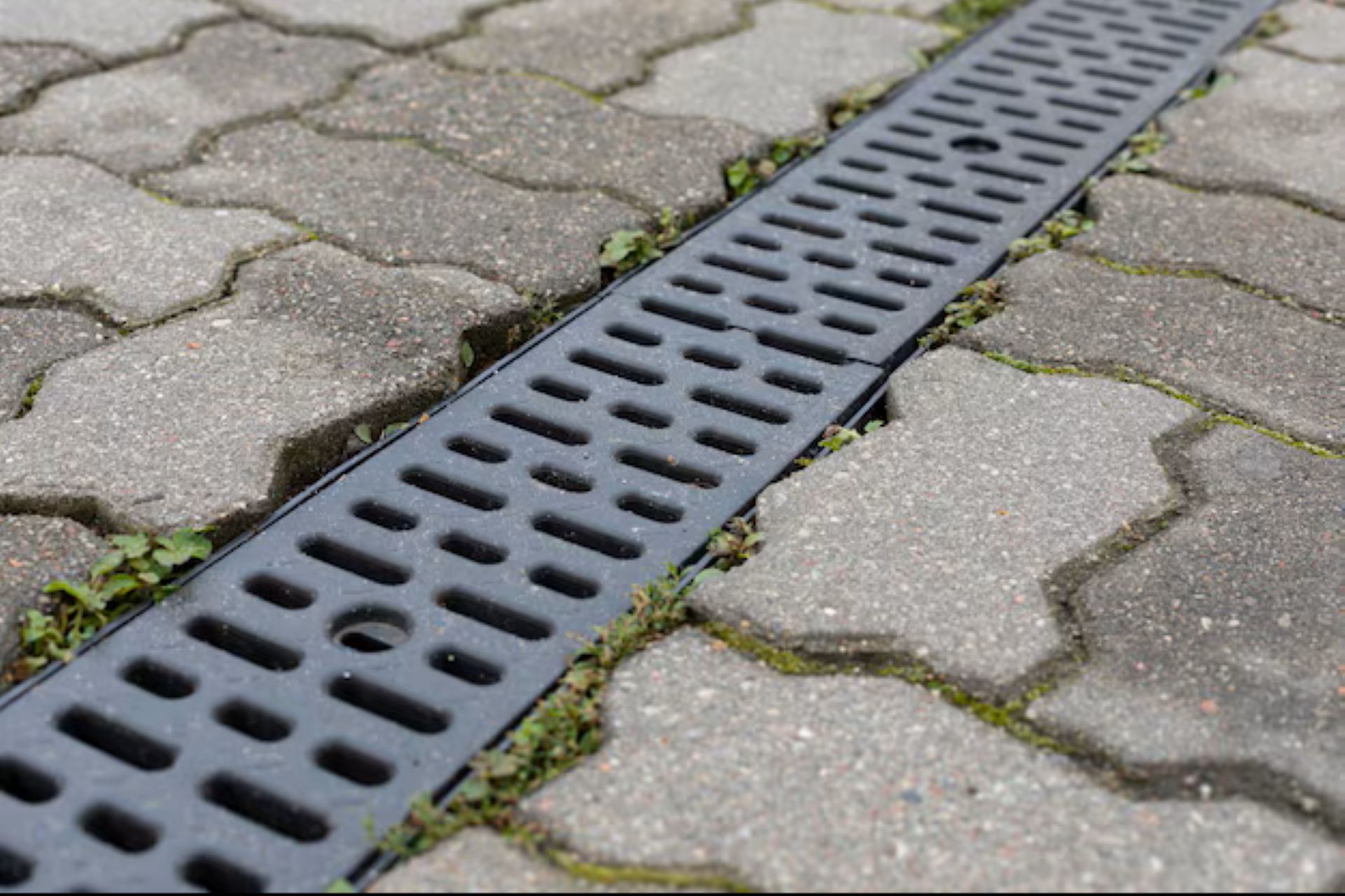
A french drain helps water move underground where it can drain safely and stay out of the way. It’s a trench filled with gravel and a special pipe that collects and carries water off to a better spot, one that won’t threaten your house or yard.
We usually install french drains in areas where water gathers again and again. That includes:
- Yards with areas that stay soggy for days after it rains
- Spaces near patios, walkways, or the side of the house where runoff collects
- Downhill spots where neighboring water flows into your yard
Instead of trying to push water across a surface, a french drain quietly moves it below. That controlled path gives water somewhere to go other than into low-lying soil or your basement walls.
At Drainage Team, we specialize in installing both shallow and deep French drains, using the right pipe size and gravel base for each yard’s needs. Our team ensures proper slope and discharge so your drainage system performs well season after season. This makes a real difference when heavy Missouri rain arrives.
Signs You May Need a French Drain Installer Soon
Post-winter conditions don’t just bring more rain, they tend to show exactly where the drainage fails. We hear from plenty of homeowners in early spring who are surprised at just how fast the water builds up.
Here are a few signs that usually mean it’s time to act:
- Large puddles that don’t disappear after a day or two
- Rainwater seeping into basements or crawl spaces
- Soft, squishy ground where grass won’t grow
- Water marks or mildew along the bottom of foundation walls
Sometimes the signs aren’t dramatic, which makes them easier to ignore. But the longer that water sits or sneaks in, the bigger the problem becomes. Once the early spring storms start rolling in, waiting can lead to more damage and headaches than expected. Getting help from a french drain installer early makes sure small drainage clues don’t snowball into full-on flooding.
Why Now Is the Best Time to Get Help
Late February through March is the sweet spot for drainage prep. The ground is thawing, the weather’s a little more stable, and there’s still a short window before heavy spring rain becomes routine. Waiting until April gives storms time to cause moisture damage before any work even begins. And by then, most people are scrambling for solutions, which can lead to longer wait times and rushed fixes.
Here’s why starting now works better:
- Installers can inspect without fighting through saturated soil
- Projects have time to be planned and completed before April
- There’s less pressure to fix emergency flooding during the build
If last year brought any drainage issues, putting things off again just resets the cycle. Taking care of it now can spare you a messy spring. And even if everything looks okay today, having a trained eye on problem areas can make sure you’re not caught off guard later.
Avoiding Repeat Drainage Problems Year After Year
Season after season, water finds the same weak spots unless something is done to change its path. Temporary fixes usually don’t last because the root issue, where the water wants to go, is still there. That’s why we look at each yard’s shape, slope, and soil type before making any drainage change.
What works in one yard won’t always work in the next. A proper setup that fits the property gives better long-term results. And once a french drain is in place, it keeps working through weather shifts, lawn changes, and seasonal storms.
Installing drainage after the fact, once landscaping and hardscaping are finished, can make everything more difficult to adjust later. So it makes sense to plan drainage first, then build around it.
- Custom solutions target the exact runoff issues, not generic ones
- Year-round maintenance becomes easier with the right setup
- Early planning avoids ripping up finished landscaping later
Solving it now means it won’t keep coming back.
Stay Ahead of Spring With the Right Drainage Plan
Spring weather doesn’t wait for anyone, and by late March in places like St. Louis, MO, it can feel like the skies open all at once. Having a plan in place before then can go a long way in keeping things dry and under control.
Drainage isn’t just about reacting when there’s flooding. It’s about noticing the quiet signs ahead of time and steering water before it causes damage. We’ve seen how small improvements, like a good french drain, keep water problems from repeating year after year.
At Drainage Team, we back every french drain installation with expert consultation and a thorough assessment of your property’s unique drainage issues. We handle both residential and commercial installs, always using quality materials to ensure long-term protection against heavy rain.
Getting ahead of it puts you in a better spot, plain and simple. When done right, drainage control becomes something you don’t have to think about every spring. It just works.
Noticing signs of poor drainage around your home in St. Louis, MO? Water issues only get worse over time, but taking action early can save you hassle and cost. Installing a french drain installer system now can help prevent puddles, leaks, and wet spots from escalating. At Drainage Team, we provide solutions designed to stop future drainage problems before they start. Give us a call today so we can assess your property before the next round of spring storms.