

As winter starts winding down, we prepare for the problems that often come with soggy ground and melting snow. Water doesn’t just disappear when it soaks in. It sneaks into places we can’t always see until damage starts. Most people don’t notice anything wrong at first. Lawns seem fine on the surface, but that doesn’t mean everything is working the way it should.
We’ve seen time and again how trouble begins in quiet spots around the yard, especially where water likes to settle and stay put. As French drain contractors, we pay close attention to the clues. Yard flooding doesn’t always come from strong storms. Sometimes, it starts with a slow buildup during frozen months that thaw out too fast. Knowing what to watch for can help you stay ahead of major damage before spring storms roll in.
Places Where Water Lingers Too Long
After snow or steady rainfall, most yards should dry out fairly quickly. When they don’t, it usually points to a drainage issue taking shape below the surface. In our experience, the first clues often show up in the same few areas.
• Low spots in the yard where water hangs around for days
• Grass that stays squishy or muddy long after the rest of the lawn dries
• Downspouts draining right next to the foundation or into flat areas
These spots can trick people into thinking they’re just normal patches in winter, but they’re often the first sign of a bigger problem. If the same areas keep holding water, they’ll only get worse when early spring rain begins to fall more often.
Signs Water Is Flowing the Wrong Way
Not all drainage problems stay out in the yard. Some send water toward your house or other hard surfaces without warning. It doesn’t always take a heavy storm for these issues to become obvious. Sometimes it just takes a little melt or a short rain on already saturated ground.
• Puddles that form right up against walkways, patios, or your home’s foundation
• Water streaks or damp spots along basement or crawl space walls
• Soil that seems to be washing out in thin lines along your fence or yard edges
Even small signs like these can point to water moving the wrong direction. The direction it takes might be set by yard slope, past work done years ago, or just how soil has shifted over time. Watching where that water goes helps us understand what needs to change to stop the problem from spreading.
How Slopes Can Trick Homeowners
A lot of yards in St. Louis, Missouri, have gentle slopes. What looks like a good thing can actually be part of the problem. If your yard naturally carries water downhill, it might be sending it exactly where you don’t want it to go.
Slopes don’t always slow water down. In many cases, they actually speed it up. That means:
• Water rushes downhill and builds up faster near patios, foundations, or window wells
• Older grading work might look clean but no longer moves water far enough away
• Areas stay dry in fall or early winter but turn to trouble after the ground freezes and thaws again
Some problem spots don’t show until snow melts or the temperature bounces back and forth. Once the ground starts shifting, things can change quickly. That’s why we don’t just look at the surface, we think about how the whole yard is pulling water from high to low during these seasonal changes.
Why French Drain Contractors Check What’s Underground
Fixing surface water is often only part of the plan. When we walk a property, we’re not just watching where the water runs. We’re thinking about what’s happening below ground, too. Just because you can’t see it doesn’t mean it’s not causing problems.
• Soil holds water longer than it should once it’s fully saturated
• Underground roots, old landscaping fabric, or debris can block natural drainage paths
• Over time, water carves space for itself under lawns and leads to deeper erosion or pressure buildup
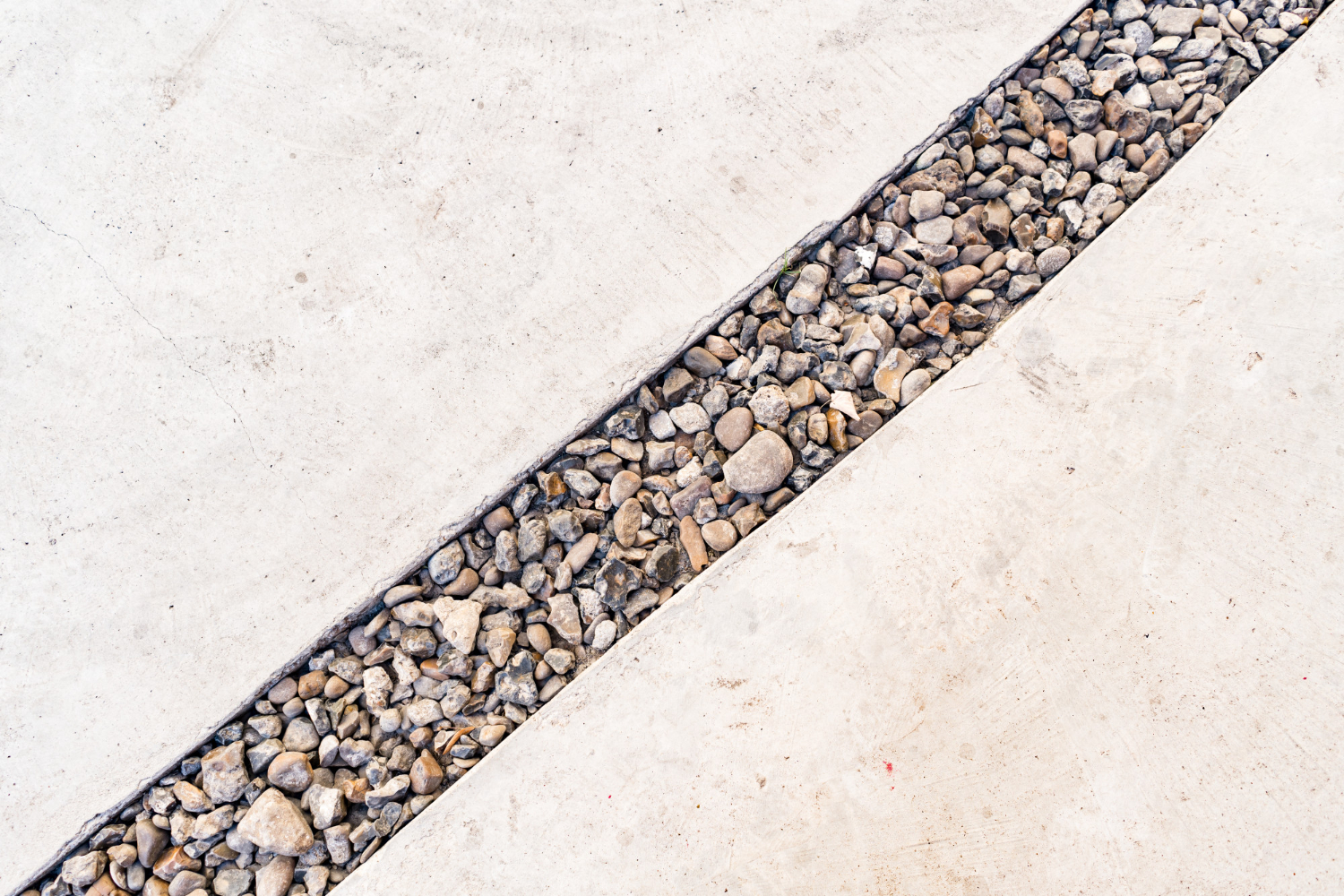
At Drainage Team, we specialize in installing French drains that address both surface and subsurface drainage issues. With our experience working on residential and commercial yards, we use the right gravel, piping, and slope to create drainage solutions proven to last. Our systems are designed to direct water safely away from homes, building edges, and high-traffic areas.
We’ve seen water run between layers of soil or through gaps it created over months. When it finds a path, it keeps going, and it often doesn’t stop at the yard’s edge. If water keeps pushing underground, it adds pressure to nearby structures like foundations or retaining walls. That’s why we always check the ground and what might be hidden under it, especially when the surface signs don’t seem too bad yet.
What Happens If Problems Wait Until Spring
Waiting until warm weather to deal with a drainage issue usually means more cleanup, more disruption, and more damage. By the time heavy rain becomes a regular thing in March, most of the low spots are already full, and the ground can’t absorb much more.
• Rain moves faster and adds to trouble areas that were wet all winter
• Mud and standing water wear down grass, plants, and topsoil
• Leaks or damp spots inside the home can turn into real repairs instead of small fixes
The longer these problems stick around, the harder they are to control. Spring storms don’t wait for a perfect time, and the last thing anyone wants is to discover yard trouble during the first week of real outdoor weather. We always tell people February is the right window to spot early warning signs. That’s when you can still make a smart plan without rushing into major changes.
Getting Ahead of Spring Storm Trouble
No yard is perfect, but most show signs when things don’t work the way they should. Some issues kick up fast, but many of them begin slowly. That’s what we’re watching for now as winter months shift into something wetter and more unpredictable.
• Watch for soft spots, pooling water, and runoff near the house
• Think about where slopes send water, and what’s buried below that might block it
• Don’t wait until March when problems become harder to handle
Catch issues early and get the right kind of help. Drainage Team offers project planning, site evaluations, and customized drainage installs across St. Louis, MO, designed to fit the unique soil and site needs of each property. Our work helps homeowners and businesses stay dry through unpredictable Missouri springs.
When water starts lingering in your yard or making its way to places it shouldn’t, it’s smart to take care of the issue before it escalates. From soggy patches in the lawn to soil erosion near fence lines, these early warning signs can signal the need for professional help. As experienced french drain contractors in St. Louis, MO, we understand that quick action can prevent bigger drainage problems and save you time and hassle. Spotting trouble now gives us the chance to provide practical, cost-effective solutions. Reach out to Drainage Team to schedule an evaluation and protect your yard from further damage.