


Once winter starts to fade in St. Louis, Missouri, snow and ice seem to vanish quickly. But as they melt away, they often leave behind more than just muddy walkways. Spring is when homeowners often notice changes around their foundations. Wet patches, cracks, or musty smells can show up when the ground starts to thaw and moisture builds up fast.
Snow does not disappear without a trace. It soaks into soil that may still be frozen underneath, which can trap water and push it toward basement walls or low points around the yard. This is why many people turn to foundation drainage contractors around this time of year. It is usually after the thaw that bigger water problems start to show.
What Happens to Drainage as Snow Melts
Snowmelt happens fast in early spring, and the ground does not always keep up. When frozen soil thaws on the surface but stays solid beneath, it acts like a lid. Water has nowhere to go, so it sits near the foundation or runs off toward parts of the house it should not reach.
Here is what causes trouble during that transition:
- Thawing soil turns from compact and solid into soft and sponge-like
- Melting snow adds more water than the ground can absorb quickly
- Old or blocked drainage setups get overwhelmed fast
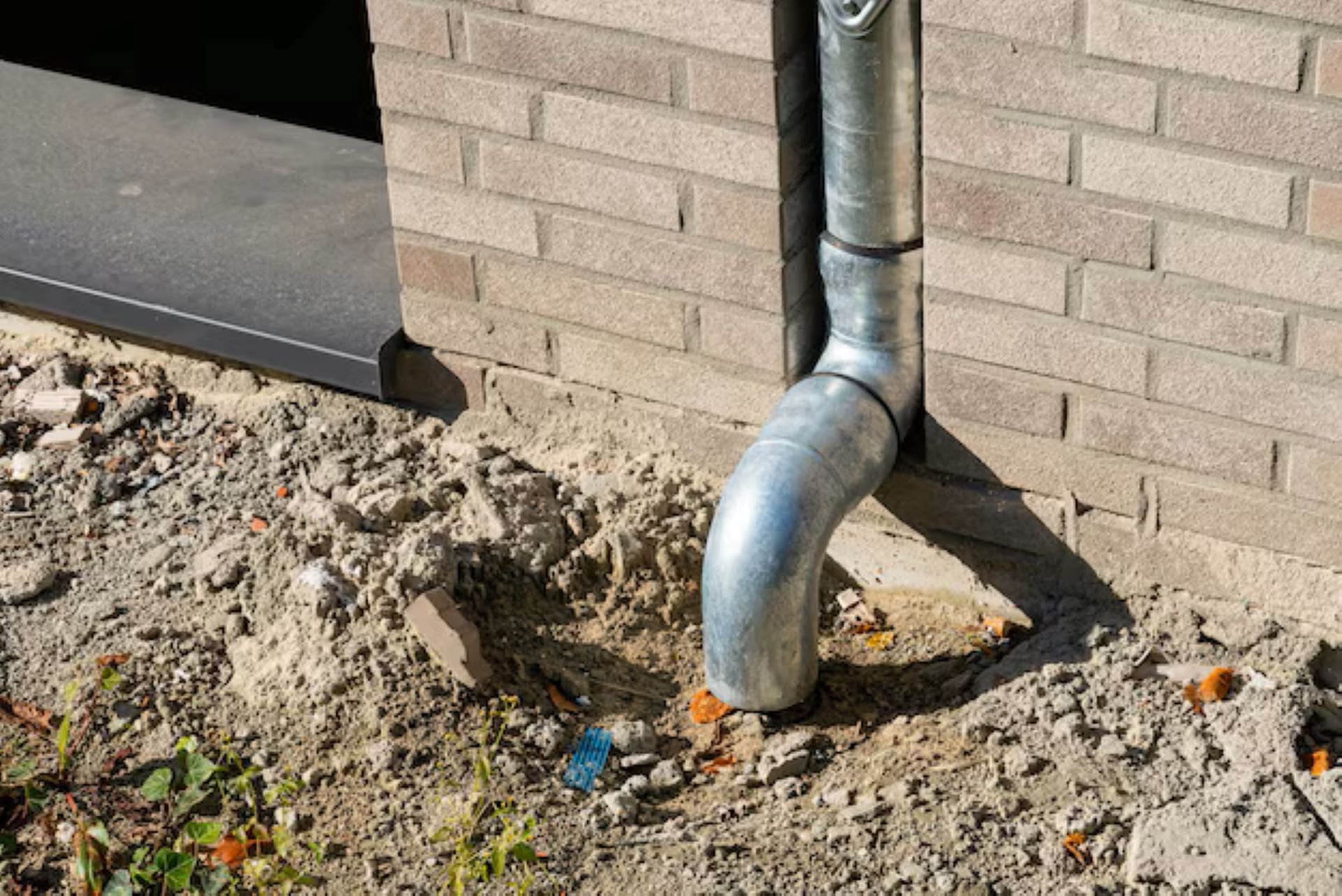
Packed soil, clogged downspouts, or missing drainage paths mean water stays where it should not. When there is nowhere else for it to drain, it settles around the base of structures. That is where trouble starts brewing, especially when the next round of spring rain stacks on top.
Common Signs of Post-Winter Foundation Drainage Problems
Once snow has melted, some signs around the property start to feel familiar, though they often get dismissed as just spring moisture. But they are worth paying attention to. These red flags might mean drainage is failing where it matters most.
Watch for these indicators:
- Water spots or moisture rings in basement corners or near foundation walls
- Pools of water near the base of the home, especially after it has been warm
- Musty smells coming from crawl spaces
- Cracks along floors or walls that were not there a few months ago
These issues can be easy to miss at first, especially if there is no major flooding. But even small signs can point to long-term problems. Soil that shifts from too much moisture can put stress on the foundation over time. Once spring rains roll in, the ground gets pushed even further past its limit.
Why Post-Melt Problems Are Different Than Summer Flooding
It is easy to think water is water. But the way snowmelt works creates a different kind of stress on foundations than a summer thunderstorm. For starters, the melt happens over days and weeks, not all at once. That means the ground does not get a chance to recover between soakings.
Here is what makes things worse in spring:
- Slow, steady melting keeps the ground saturated, even without active rainfall
- Frozen sublayers keep water trapped near the surface
- Spring storms often hit before the soil has dried out from the melt
That stacked moisture creates constant wet conditions around your home. Summer storms come and go fast, usually with time between for things to dry out. But in early spring, it is the combination of runoff and rain that keeps foundations at risk for longer stretches.
How Professionals Spot and Handle Moisture Issues Early
When snowmelt reveals foundation drainage problems, early steps make a difference. That is why foundation drainage contractors often start by inspecting a property’s flow, where water is coming in and where it is refusing to leave.
We look at signs both above and below the surface:
- Slopes around the home that direct water toward, not away from, foundations
- Downspouts that drain too close or are angled incorrectly
- Soil patterns, erosion streaks, or unnatural puddling
One crucial step in our process at Drainage Team is camera inspection and flow mapping for buried drain pipes, especially those leading from downspouts and yard inlets, to locate unseen blockages common after winter freezes. We are specialists in French drain system design and repairs, consisting of strategic trenching, installation of high-quality drainage pipe, and durable gravel backfill, solutions proven to resolve slow drainage and backup in St. Louis, Missouri. As the ground thaws, we provide both diagnostics and new installations to keep water away from basements and foundations.
Through property walks and basic surface inspections, we are often able to read the story water has been telling during the melt. Problems that seem small on a warm March afternoon can turn serious by May if not corrected. That is why timing matters. Getting ahead of damage during this window gives homeowners more peace of mind heading into storm season.
A Strong Foundation Starts with Spring Awareness
The best time to spot foundation drainage problems is right after the snow clears. That is when water leaves behind clues, even if they are subtle. St. Louis, Missouri, properties deal with fast-changing spring conditions, so what looks like a harmless puddle today can become a leak tomorrow.
We have seen how moisture problems grow quickly once they start. Spring is when the conditions are stacked, thawing soil, melting snow, and new rainfall all hitting at once. Paying attention now prevents bigger issues later. Drainage is not just about keeping things dry in the moment. It is about preserving the stability of everything built on top.
Spring does not give much warning, but it does give just enough time to notice when something does not look quite right. That is when it is time to act, before bigger storms arrive.
Snowmelt can leave noticeable damage around your property in St. Louis, Missouri, and with spring rain approaching, now is the best time to address it. We carefully evaluate how water moves around your home and identify signs of improper drainage. When the ground is soft and saturated, our trained eyes can spot where issues begin and how to prevent them from worsening. Our collaboration with foundation drainage contractors lets us protect your structure as conditions change quickly. Call Drainage Team today to schedule an onsite evaluation.