
By the time April rolls around in St. Louis, MO, most yards are already showing signs of what winter left behind. Snowmelt, early spring rain, and dormant soil can bring hidden drainage problems right up to the surface. Puddles that don’t drain, soggy grass near the foundation, and soft depressions in the yard are all red flags that something might be off underground.
This is when lots of homeowners start looking for help from yard drainage companies. Spring is one of the busiest seasons for drainage crews because it’s the best time to spot problems and fix them before heavier rain starts falling. When we show up in April, we know how to spot the real source of water issues, not just the mess left behind. Our goals are always the same, identify the problem, stop the damage, and set the yard up for better weather ahead.
What Yard Drainage Crews Focus on in Early Spring
After a long winter, a lot can shift under and around a property. Water settles in unexpected places, and the soil doesn’t always go back the way it started. That’s why April is a smart time for us to step in. Our first focus is on figuring out where the problems are starting and what’s making them worse. Here’s how that looks:
- We check spots where snowmelt and early rain tend to pool. These areas usually show us where the grading isn’t working or where hidden sinkage has taken hold.
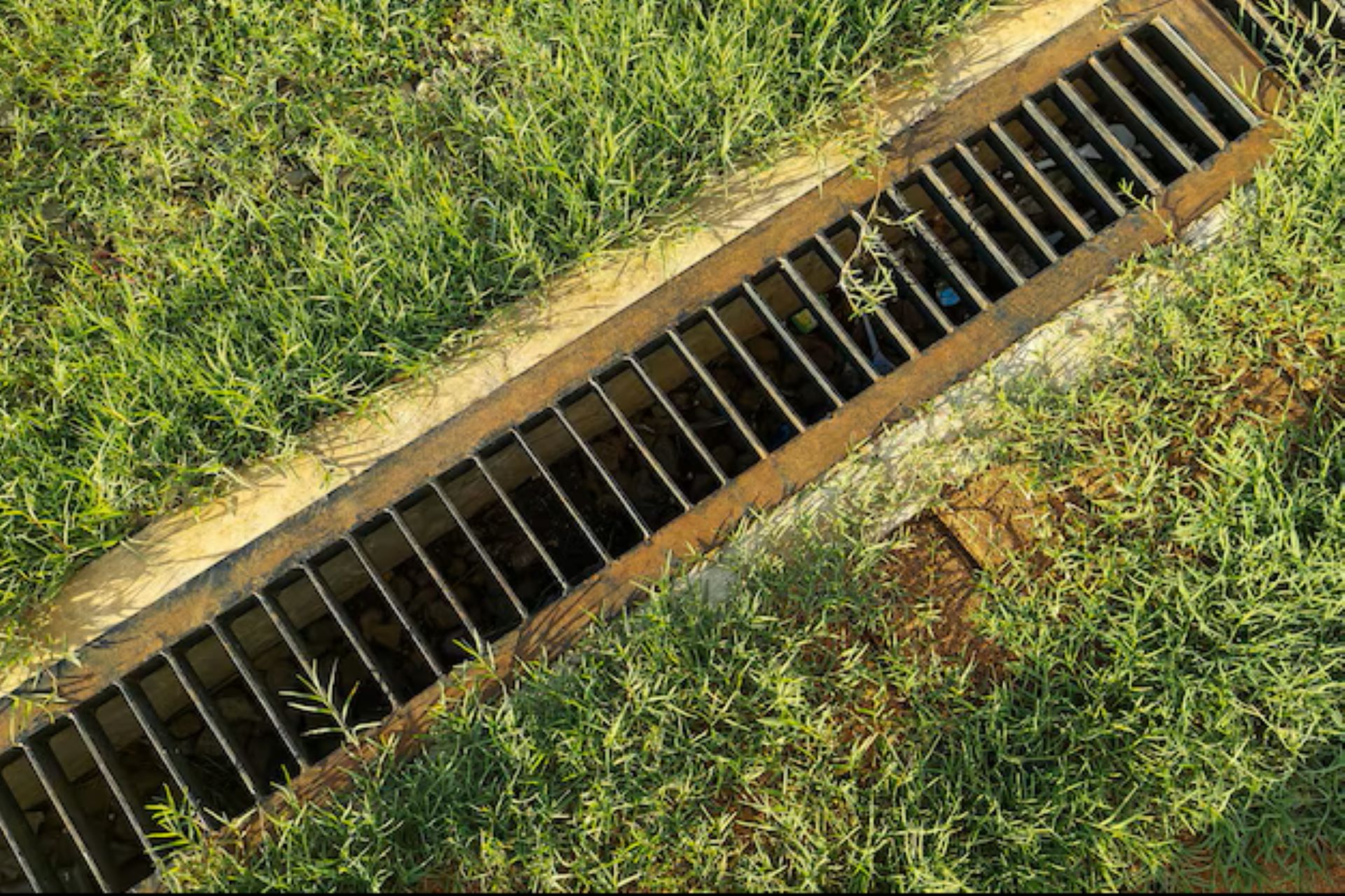
- We inspect drains to make sure they’re not blocked by debris, ice from late freezes, or winter damage. Clogged pipes and collapsed lines are more common than most people expect.
- We look for changes in the soil, like erosion around patios or walkways. These signs often point to slow-moving water that’s quietly eating away at parts of the yard or structure.
Finding these issues now gives us time to work before the real storms come in late spring and summer. It’s all about getting ahead of problems, not waiting for them to get worse.
Common Work Performed in April
Once we understand what’s causing the water to stick around, we can start making improvements that hold up through the rest of the year. April is ideal for drainage work because the ground is soft enough to work with but not yet too soaked from extended rain. Here’s the kind of work crews usually tackle in the spring:
- Regrading is common this time of year. We might shift soil or reshape problem areas so water flows downhill and away from buildings.
- French drains and catch basins can be installed or repaired when pooling water needs a place to go underground. These systems help collect and route water without taking up space above ground.
- We help prepare yards to move water better. That could mean adjusting slopes, adding extensions to downspouts, or directing runoff around parts of the yard that need to stay dry.
This work isn’t just about fixing what’s broken. It’s meant to help properties avoid damage during big storms later on. Water problems are easier to fix now than after the summer heat bakes everything solid again.
A popular Drainage Team solution for St. Louis, Missouri, homes involves installing heavy-duty drain piping with closed connections and cleanouts, ensuring yard water is moved efficiently and can be maintained over time. We also provide erosion control and commercial-grade turf mats for vulnerable lawns, helping our clients stop erosion as weather shifts. Many of our drainage improvements this time of year come paired with site grading and seeding services to restore lawn health after winter.
How Crews Keep Projects on Track as Weather Changes
April doesn’t always bring calm weather. Some weeks are sunny and dry, others are cold and wet. But through all those shifts, drainage work needs to stay on schedule. Here’s how we keep progress moving without tearing up a yard or creating new damage:
- We adjust our work plans to fit the forecast. Wet ground can slow things down, but we know how to time installs or soil work between storms.
- The equipment we use is made for delicate work, so we don’t leave deep ruts or torn grass behind unless restoration is already part of the job.
- Our focus is always on long-term results. If we can’t do it right because the soil’s too wet or unstable, we’ll wait a day. Quick fixes usually don’t last past the next downpour.
April work doesn’t have to feel rushed or risky. With the right know-how, jobs get done safely and in a way that lasts well into the warmer months.
What to Expect From Yard Drainage Companies During a Site Visit
When yard drainage companies meet with homeowners in April, the first step is always the same, understand what’s going on. Site visits give us a chance to see the space, listen to concerns, and start building a clear picture of what’s really happening. Here’s what people can expect from that first visit:
- We’ll talk through what’s been noticed so far, like standing water, muddy areas, or basement dampness. These clues help point us toward the starting point of the issue.
- We’ll walk the yard and look at slopes, downspouts, hardscapes, and low points. Small signs often tell us where water is flowing and what’s pushing it in the wrong direction.
- Once we understand how the water is moving, we’ll share basic ideas about what next steps make sense. That might include timing ideas if the weather’s turning, or which projects should come first before others are done.
There’s no guessing here. Site visits are about getting to the root of the problem and making the first move toward cleaner, drier space outside.
A Season Worth Getting Ahead Of
We’ve seen firsthand how problems that start in early spring don’t disappear on their own. They usually get worse with every storm. April gives us time to spot the issues, take action, and get everything in shape before heavy rain tests the yard again.
By acting early, homeowners in St. Louis, MO, can avoid larger repairs, protect their homes, and enjoy a yard that drains the way it should. When water has an easy path to move through or away, the whole property just works better. Getting started in April makes all the difference.
With spring rain bringing new challenges to yards in St. Louis, MO, now is the perfect time to address standing water and poor runoff before summer storms arrive. Ground shifts and clogged systems often emerge as the weather changes, and acting quickly can help you avoid costly issues down the line. Homeowners trust Drainage Team for practical, long-lasting solutions that keep water flowing as it should. For reliable help with your property’s drainage needs, reach out to us today through our page for yard drainage companies.