
When winter settles in across St. Louis, Missouri, the ground takes on a quiet stillness. But underneath that snow and ice, the soil doesn’t sit still. It shifts. It swells and shrinks as temperatures bounce around. These changes aren’t always easy to see, especially when everything looks frozen and calm. But that’s when many water and drainage problems begin, before you see any puddles or damage.
Drainage experts know how to track these changes before the ground thaws and turns soggy. Small warning signs show up all through winter. If they’re missed, they can lead to bigger problems once spring hits. Water backs up, soil gives way, and foundations weaken. Our job is to spot those hidden signs early, so homeowners don’t have to deal with surprise water damage when the snow starts melting fast.
What We Watch for During Deep Winter
Even in the coldest months, the ground doesn’t stay frozen the same way all the time. As temperatures rise and fall, the soil keeps moving. These changes can leave clues behind if we know where to look.
• Areas where soil seems to sag or change shape beneath snow piles often mean the top layer is shifting
• Freeze-thaw cycles can open up small cracks or breaks near driveways or walkways, which usually show us where water is sneaking in
• Snow mats that stay wet or heavy longer than other spots may point to poor drainage or blocked underground routes
Winter might feel like a time when everything slows down, but underground, water is still looking for ways to move. That movement starts shaping the problems we’ll face once everything melts. We pay close attention to these shifts so that slow-moving issues don’t surprise us when the thaw happens.
Key Trouble Spots Around the Home
Some parts of a property are more likely to show early drainage warning signs. These are the places water naturally wants to go, even when frozen. Watching them closely helps prevent issues later.
• Foundation edges and basement windows tend to collect snow, and when thaw hits, that water can soak into the wrong places
• Downspouts or sump pump exits that drain into a flat yard or icy patch can cause water to back up or pool when spring thaw begins
• Side yards, patios, and walkways can quietly shift water flow in winter, sending runoff to places that aren’t built to handle it
Sometimes, it’s the smallest shift that sets up a bigger problem. Snowmelt that drains the wrong way once may not seem like much, but it can wear down soil or cause erosion by the time spring arrives. Over several seasons, repeated poor drainage can lead to lasting yard and foundation problems that are much harder to correct.
How We Spot Drainage System Weaknesses
Even during a freeze, drainage systems give off signs when they’re not working quite right. Snow and ice patterns can help us find areas that may be clogged, cracked, or draining the wrong way.
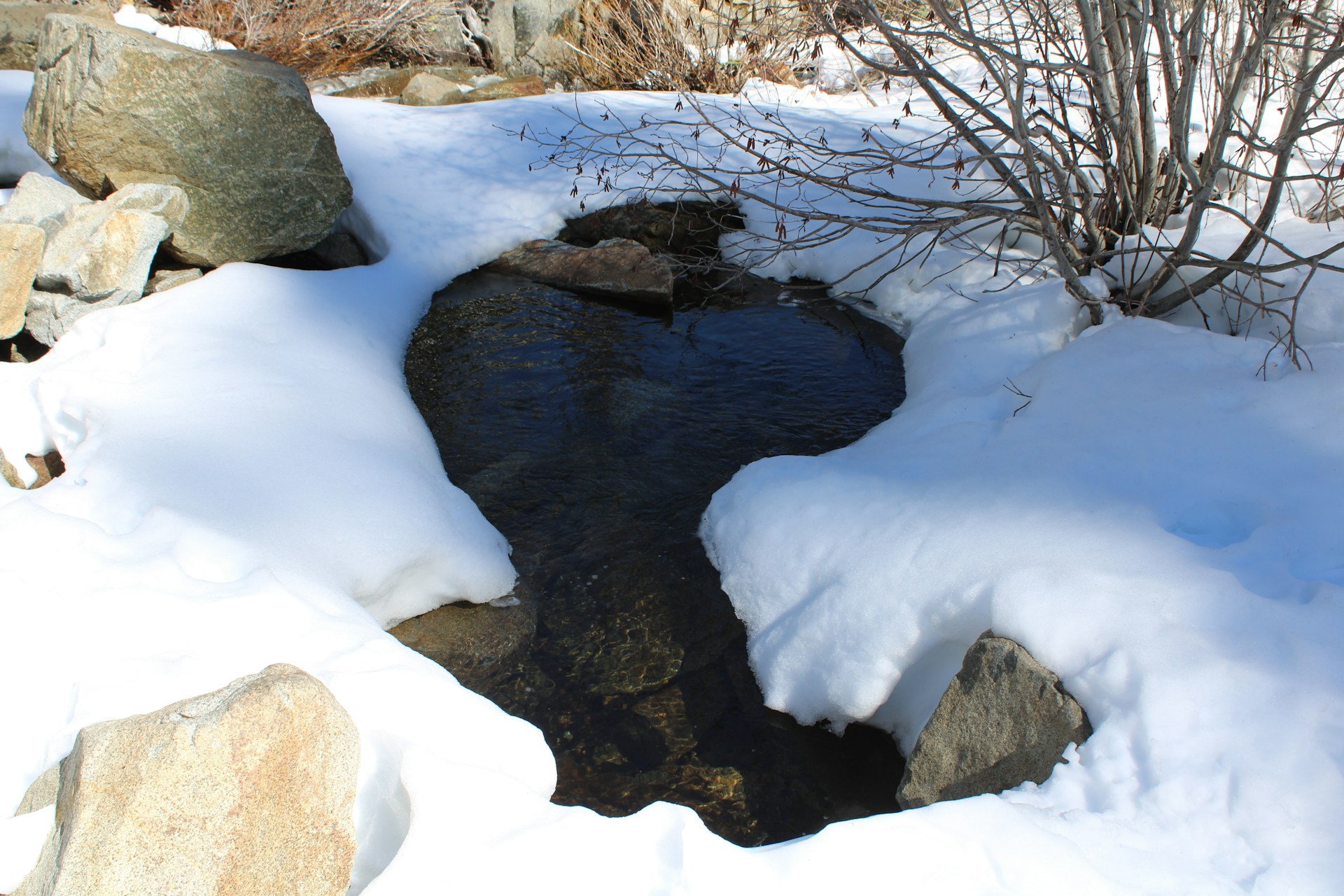
• Puddles that form and refreeze in the same low spots are often signs that water can’t escape where it should
• Catch basins or grates that freeze over and stay buried may be blocked or backed up
• Trench drains, pipes, and underground systems that freeze along one side usually show a shift in water flow or pressure
When we notice these warning signs, we know there’s something deeper going on underneath. Drainage systems don’t just stop during the winter. They keep holding and moving water slowly. That’s why we check them even when the ground looks too cold to worry. It’s especially important to stay aware during late winter because as daytime temperatures warm, these issues can quickly get worse when the flow of melting water increases.
Preventing Spring Surprises Before They Happen
Once snow starts melting in St. Louis, it often happens fast. We get a warm stretch, and suddenly it feels like spring is arriving all at once. That quick warm-up doesn’t give poor drainage systems much time to catch up.
• Softened soil that had been firm in December starts to shift and collapse when it gets wet
• Early snowmelt on one side of a yard can suggest that part is draining incorrectly, either from a grade issue or due to hidden water flow
• Small streams may begin to form where runoff finds weaker supports, especially near patios or retaining walls
The job isn’t just seeing what’s happening at the surface, it’s understanding how that change spreads underneath. That’s where drainage experts make the biggest difference. We stop the issue before it leads to standing water, cracked foundations, or topsoil being washed away. By noticing these warning signs in time, we keep seasonal transitions from turning into costly emergencies.
Why Early Detection Brings Peace of Mind
When everything’s frozen, it can be hard to picture water doing much harm. But winter is when problems quietly settle in. Then spring hits hard, and the signs that were small become a lot more serious. That’s why we focus on early detection.
• Noticing slight shifts during cold months, like a leaning fence or reappearing puddle, gives us clues about what’s really happening underground
• Water rarely waits for things to thaw before moving. It follows its own path, whether the ground is frozen or not
• Homeowners might not spot these problems under the snowpack, but that’s what we’re trained to see
By the time spring melt is in full swing, it can be too late to stop the biggest problems. But when we step in early, we help avoid that stress. A winter yard that looks quiet may be telling a story, we just know which parts to listen to. Taking these hints seriously gives homeowners a chance to stay ahead of avoidable headaches.
Expert Drainage Solutions and Proactive Maintenance
We offer a range of specialized drainage services such as French drains, catch basins, drain grates, and erosion control tailored to the unique challenges faced by properties in St. Louis, Missouri. Our inspections identify and address blocked pipes, hidden grading issues, and potential runoff risks even before the spring thaw. With experience across residential, commercial, and governmental settings, we provide practical solutions that maintain both property value and structural safety year-round.
Get Ahead of Spring Runoff
Noticing pooling water, shifting soil, or uneven thaw patterns in your yard can signal bigger issues ahead, especially as the weather changes. Our team at Drainage Team keeps a close eye on these early warning signs because addressing them quickly helps prevent water from damaging your home as things warm up. Homeowners throughout St. Louis, Missouri, trust our experienced drainage experts to evaluate and resolve problem areas before spring runoff creates more costly challenges. Contact us to schedule your evaluation today.