
Drainage pipe contractors might not be the first people that come to mind during spring yard work, but they’re often the reason a property keeps running smoothly after a storm. Most of the work they do happens underground, where clogged or cracked pipes can quietly make a mess without much warning. Even when everything looks fine on the surface, what’s below can be slowly shifting the health of your yard and home.
In St. Louis, MO, we notice many homeowners don’t realize there’s a problem until it’s already made a big impact. That’s because drainage issues aren’t always easy to spot. The signs aren’t always dramatic. They sneak in as minor annoyances, small puddles that don’t soak in, patches of grass that stay soft too long, or strange odors rising after a good rain. Ignoring these might seem harmless, but the bigger problems often start small.
What Most People Miss About Drainage Problems
Drainage can fail long before the signs reach the surface. It’s easy to overlook problems forming out of sight, especially when they don’t cause immediate damage. But even quiet warning signs can mean more than they appear.
- Wet grass or soft soil in the same place after every rain could mean a pipe isn’t draining the way it should.
- A strange smell in one area of the yard might come from water that’s been sitting too long underground.
- Some settling or erosion could point to a slow leak that’s been washing soil away from below.
It’s easy to write these off as little quirks of the property, especially early in the season. But when something feels off outdoors, it usually is. And it rarely goes away on its own.
Underground Damage That Grows Over Time
One thing about drainage systems is they tend to stay hidden, until they stop working. By then, repairs can get more complicated. Much of the damage we deal with happens over years, not days. A pipe blocked today might spend months letting water seep into new areas before becoming a visible problem. This slow process means the grass above might look almost normal while the soil below is changing shape. Homeowners may not notice these shifts until they reach a tipping point.
- Pipes can crack with age or freeze-thaw cycles. Eventually, they collapse or clog up completely.
- Tree roots might push their way in, drawn by moisture. It can take a while before that blockage shows any effects on the surface.
- Older or poorly installed drainage lines might start failing quietly, especially if they were set at the wrong slope or used thin materials.
When trouble builds under the soil, a small pipe issue can soon involve parts of a patio, the edge of a driveway, or the base of a home. These kinds of changes don’t usually make noise. They just keep getting worse.
Drainage That Doesn’t Flow Where It Should
Water is supposed to move away from a property, not sit around or head back toward it. That’s why how we lay out a pipe matters just as much as the pipe itself. If something is off in the design, it throws the whole system out of sync.
- If the pipe slope is wrong, water stops moving. It pools, backs up, or finds a new place to go, which may be somewhere it shouldn’t.
- We’ve seen storm runoff skip right past blocked pipe openings and flood into basements or garages.
- Some systems were just set in the wrong direction. When that happens, water spreads fast and settles in places that weren’t meant to hold moisture.
These aren’t cosmetic problems. They lead to cracked walkways, sunken lawns, mold, or leaks inside the house. It might sound like a grading issue, but many times, it starts inside the drainage pipes. When a system is not carrying water away as intended, even a small design flaw can have a ripple effect throughout the property. Sometimes, this means water quietly migrates into flower beds or around patio edges and causes slow deterioration that only becomes obvious later. Proper drainage design and installation up front can save plenty of frustration and expense in the future.
Problems Near the Foundation
The closer bad drainage is to the base of a house, the more pressure it puts on the entire structure. That’s one reason we pay so much attention to how water flows near the foundation.
- When drain lines overflow or collapse, there’s a real risk of water pushing straight back toward the building.
- Small leaks near basement walls or under slab floors can slowly weaken the structure. You may not see water, but cracks or musty odors give it away.
- Older houses in St. Louis, MO, tend to hold onto moisture longer when drainage pipes aren’t pulling it away fast enough.
These are the problems people often don’t find until selling a home, finishing a basement, or noticing floor changes. A pipe doesn’t have to break all at once to cause issues. Many start with just a trickle in the wrong direction. Over time, this trickle can create unwelcome surprises like high humidity, small puddles after storms, or warping materials under flooring. Staying alert to subtle changes in the basement or along the home’s edge might be the only warning before structural damage becomes more obvious. Early action is the best safeguard.
Damage From Past Repairs or Additions
We come across a lot of situations where the damage wasn’t caused by storms or wear but by construction added later. People try to improve their space, not realizing they’re affecting how water flows under it.
- Yard work, like adding flowerbeds or parking pads, can crush or block buried pipes without anyone knowing.
- Sheds and fences sometimes get built right on top of lines that were already working, and stop them from doing their job.
- Weekend repairs done with flexible pipe or low-cost materials might work for a bit then collapse once the ground settles.
It’s never fun to find that a past fix caused a current failure, but it happens more than most people think. Without seeing what went into the ground years ago, it’s hard to know what shape those connections are in today. Sometimes a well-intentioned home improvement project winds up creating extra work elsewhere when underground systems aren’t considered. That’s why checking the location of existing lines before digging or building anything permanent is always a good idea. Over time, layering new features on top of old systems adds another level of risk.
Keeping Problems from Spreading Further
The good news is, drainage problems don’t have to become big ones. When we catch these kinds of issues early, it’s usually a smaller fix. That means we spend less time digging or disturbing the yard.
- Small changes like clearing a blocked line or resetting a misaligned pipe section can stop the spread before it reaches other areas.
- When we check on visible warning signs, we’re often able to protect how the whole system works long term.
- Overlooked issues left untreated usually lead to more damage, the kind that costs more and takes longer to restore.
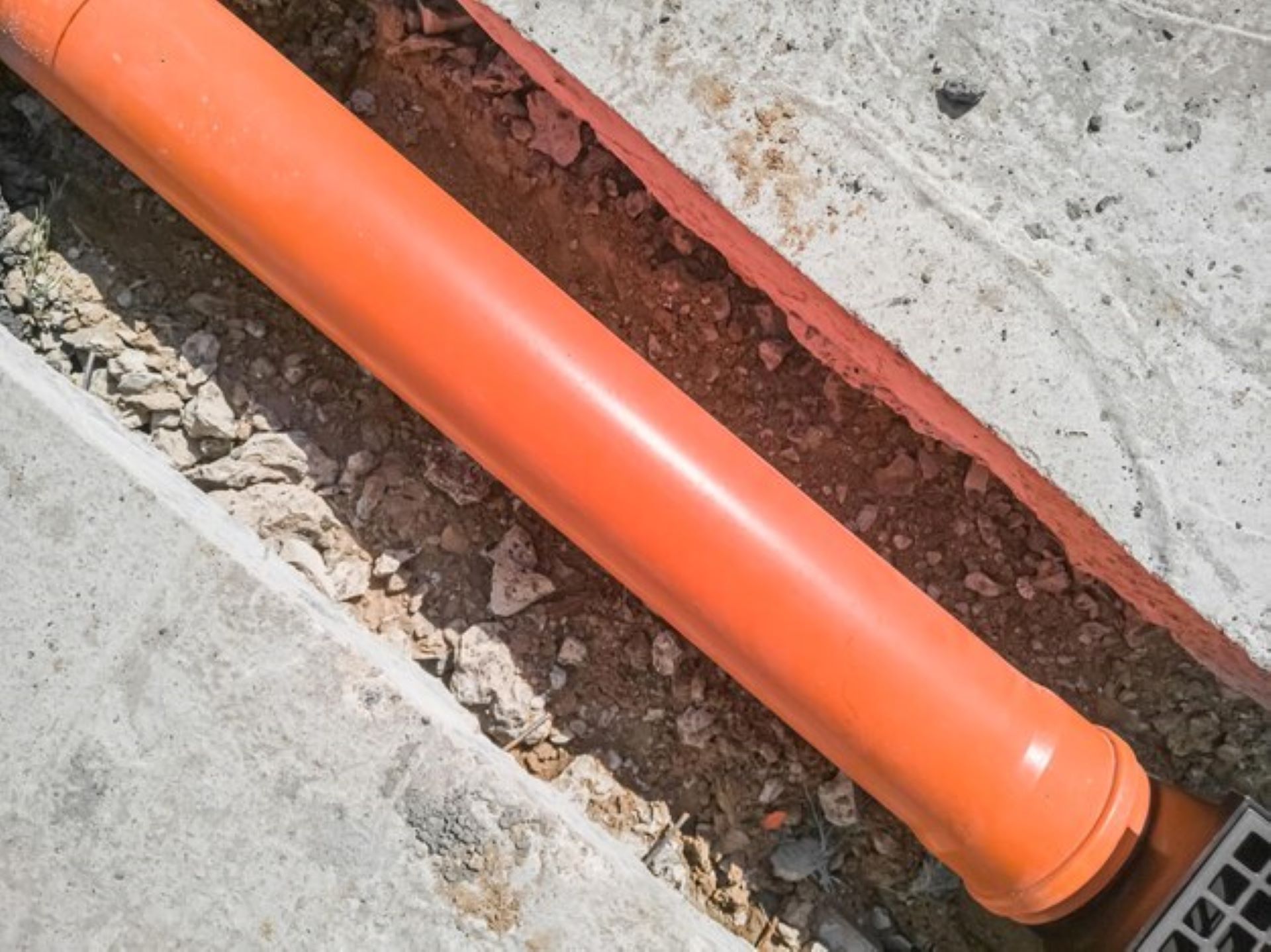
Our Drainage Team crew is experienced with large-scale subsurface diagnostics, using drain cameras and hydrojetting equipment to clear pipes, and offers specialized repairs for residential and commercial properties in St. Louis, Missouri. We design and install rigid PVC or triple-wall drain pipe with sealed fittings, adding access cleanouts for future maintenance. Our spring inspections often include root removal, pipe relining, and adjustment of surface inlets or catch basins to restore proper flow.
That’s why checking in with drainage pipe contractors is smart, especially during spring when water is moving more often. It lets us stop issues before they start affecting the larger structure or nearby landscaping.
Get Ahead of Drainage Issues This Season
When drainage problems stay out of sight, they can quietly cause all kinds of trouble. From a small clog at the bottom of the yard to leaking pipes near the house, plenty of damage happens before anyone notices. And once water starts moving the wrong way, it rarely fixes itself.
We’ve seen how paying attention to small signs, like soggy spots or shifting ground, can help protect a property before bigger damage sets in. When pipes are checked, slope is corrected, and flows are working right, everything else has a better chance to stay strong. That kind of peace of mind goes a long way, especially during spring rains in St. Louis, MO.
At Drainage Team, we understand how small drainage issues in St. Louis, MO, can quickly become major problems if left unaddressed. That’s why we look beneath the surface to find the real causes, not just the obvious symptoms. When something feels off around your yard or near your home, it makes sense to have professionals assess it before things escalate. With our proven experience in this area, we know how often hidden issues lead to costly repairs. For help evaluating your system, connect with our drainage pipe contractors today.