


Early spring is when our walk-throughs really count. Things that stayed hidden all winter finally start showing up. We’ve seen how quickly water problems unfold when the ground thaws and the first heavy rain hits. The signs aren’t always dramatic at first. A slow-draining patch of grass, a new dip in the lawn, or a puddle hanging around longer than it should can mean bigger trouble later.
That’s why the drain team takes early spring seriously. A lot shifts underground during the freeze and thaw cycle. Pipes that were fine in fall might have cracked or shifted. Slopes might have changed just enough to cause overflow. We know which spots to check and which signs matter, even when they seem small. That’s how we stay ahead of damage before storms roll in.
How Winter Sets the Stage for Spring Flash Flooding
Winter might seem quiet on the outside, but it can set traps underground. Snow builds up, melts, freezes again, then melts fast once spring hits. If the ground is still frozen beneath, water has no way to soak in. It runs off fast and collects wherever it can.
- Packed snow or ice can dump a lot of water in a short time
- Frozen ground under the surface creates runoff that moves across hard soil instead of sinking in
- Settling soil or branches from winter storms may block drains or build up at low spots
- Freeze-thaw cycles weaken retaining edges, shift barriers, or open new paths where water shouldn’t go
These hidden shifts don’t just change how water moves. They change where water can build up. Suddenly, areas that handled rain fine last year start backing up or draining in the wrong direction.
What We Check First During a Spring Walkthrough
Once we step onto a property, our eyes jump to a few key places first. We’re looking for early signs before the first thunderstorm makes them worse. Sometimes that impact is hidden, so we start with what we know tends to shift over winter.
- Small slope changes in a lawn can push water right toward a building
- Soil movement often shows up near gutters, downspout extensions, or culverts
- If grass is washed out or gravel looks scattered, erosion has likely started working through the surface
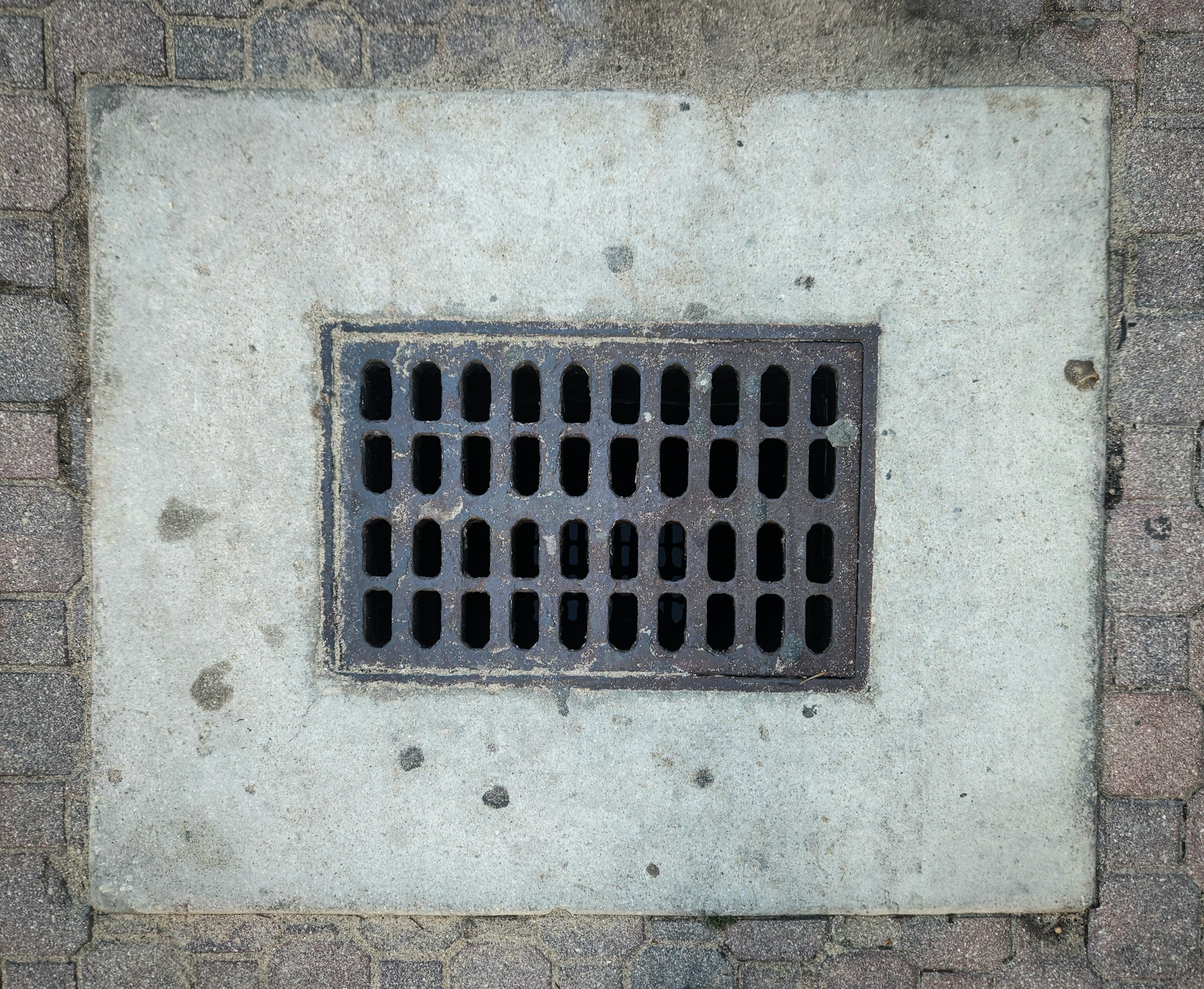
- Catch basins blocked with old leaves or winter debris can overflow quickly even in light rain
We don’t guess where the problems are. We watch how water would move, step by step, and follow the path it’s most likely to take when the storms arrive.
High-Risk Areas We Pay Special Attention To
Some parts of a property need a closer look during our walkthroughs. They’re the first to flood, the last to dry, and the spots where mistakes turn into messes fast. We focus on these areas because a small issue here often connects to a bigger one nearby.
- Low spots near basement stairwells or foundation walls grab water early and hold it longer
- Driveways that slope toward the house or have blocked drainage edges can flood under sudden rain
- Patios and sidewalks can send water right toward nearby doorways if drainage paths are blocked
- Commercial lots with long roof lines or traffic wear often have buildup near downspouts or trench drains
These parts of a yard, driveway, or building can wear down slowly at first. But when spring weather hits hard, they need to be ready to handle it.
What Small Problems Can Tell Us About Bigger Trouble
It’s easy to miss the signs when they show up gradually. But we look closer at spots that seem off, because they might be the tip of a deeper problem. Wet ground, for example, may not seem like much at first. But if it lingers, it can hint at water that’s not draining the way it should.
- Areas of patchy mud where the rest of the lawn is dry suggest clogged or compacted ground
- Soft, loose patches along foundation edges can point to unseen erosion
- Hairline cracks in soil or pavement might mean long-term pressure from trapped drainage
- Plant beds with water stains on retaining blocks could show hidden slope issues
The longer these signs sit, the more damage they can invite. We listen to what the ground is telling us, even when everything looks calm at the surface.
Proven Drainage Checks for St. Louis Properties
At Drainage Team, our walkthroughs use proven checklists that include inspecting inlets, area surface drains, and buried pipes for blockages or collapse, which are common after freezing months. We specifically look for areas where our French drain or erosion control installations may show early signs of wear or blockage, and correct them before spring rains intensify. Our process is based on years of experience with the complex clay soils and unique storm patterns found in St. Louis, Missouri.
Residential, commercial, and governmental clients alike benefit from our ability to personalize these inspections, whether that means reviewing a yard’s swale grading, checking for washed-out seed or turf matting, or making sure commercial stormwater basin inlets are clear.
Why Early Spring Timing Works in Your Favor
The timing of our walkthroughs makes a big difference. Once April arrives, schedules tighten and rain picks up fast. That’s why we start early. The ground is just starting to soften, giving us a head start before things get too wet to work with.
- February through mid-March is a good window to spot drainage changes without everything being fully soaked
- Early checks allow room to plan rather than rush when the forecast turns stormy
- Working before the spring backlog hits means shorter delays and less disruption
We often catch things homeowners didn’t notice, because the water hasn’t had a chance to pile up yet. But the warning signs are there, you just have to know where to look.
Built to Stay Ahead of the Storm
We’ve seen how spring storms move in faster than expected. That’s why an early walkthrough is one of the best things we can do. Even if everything looks fine, that quiet warning, the puddle in the corner, the soft ground near the sidewalk, can turn into a problem once the rain comes.
When we walk a property with fresh eyes after winter, we’re not just looking for what’s broken. We’re looking for what’s about to go wrong if nothing changes. With the drain team reading those signs early, we can help keep water where it belongs, off your property and out of places it shouldn’t be.
Noticing signs of water trouble around your yard or foundation means it’s time to take proactive steps. Acting early can keep minor problems from becoming major headaches when spring storms arrive. With drainage issues, having a plan beats waiting for flooding to happen. Schedule a visit so we can assess if solutions from the drain team are right for your property. Contact Drainage Team today to help protect your home from spring water damage before it starts.